Mobile App Development Tutorials to Take Meaningful Steps
Are you curious to know how the apps you use every day are made? The world of mobile app development combines creativity and technology to bring ideas to life.
Imagine opening your phone and finding an app that makes your day easier, whether it is ordering food, tracking fitness, or managing tasks. Behind every app, there is a world of a mobile app development company where creativity meets technology.
Every day, millions of people rely on apps for daily requirements, and the demand for skilled mobile app developers keeps growing. You might be curious about how many mobile apps are in the world, how hard mobile app development is, and whether you can start learning without spending a fortune.
From practical mobile app development tutorials to exploring AWS mobile app development and the tools top developers use, this guide shows you exactly how to begin your journey and turn ideas into real apps.
Introduction to Mobile App Development
Mobile app development is the process of creating software applications that run on smartphones, tablets, and other mobile devices. It combines design, coding, testing, and deployment to deliver apps that are functional, user-friendly, and visually appealing.
What is Mobile App Development?
Every app on your phone, whether it is for social media, shopping, or productivity, starts with mobile app development. It is the process of designing, coding, testing, and deploying applications that work on mobile devices.
Developers use different mobile application development platforms, frameworks, and tools to build apps. By learning these, you can also develop apps that are fast, functional, and user-friendly. Understanding the basics is essential before following mobile app development tutorials or learning AWS mobile app development.
The Number of Mobile Apps Worldwide in 2026
The mobile app ecosystem is growing at an unprecedented pace. As of 2026, there are over 6 million apps across iOS and Android, covering everything from entertainment and education to finance and health. Knowing how many mobile apps exist worldwide gives perspective on the opportunities available for new developers entering the field.
The Growing Community of Mobile App Developers
With demand for apps increasing globally, the number of skilled mobile app developers has grown to an estimated 20 million. Whether you are exploring how hard mobile app development is or planning to start with free resources, the thriving community means guidance, collaboration, and career opportunities are more accessible than ever.
Mobile Application Development Platforms and Frameworks
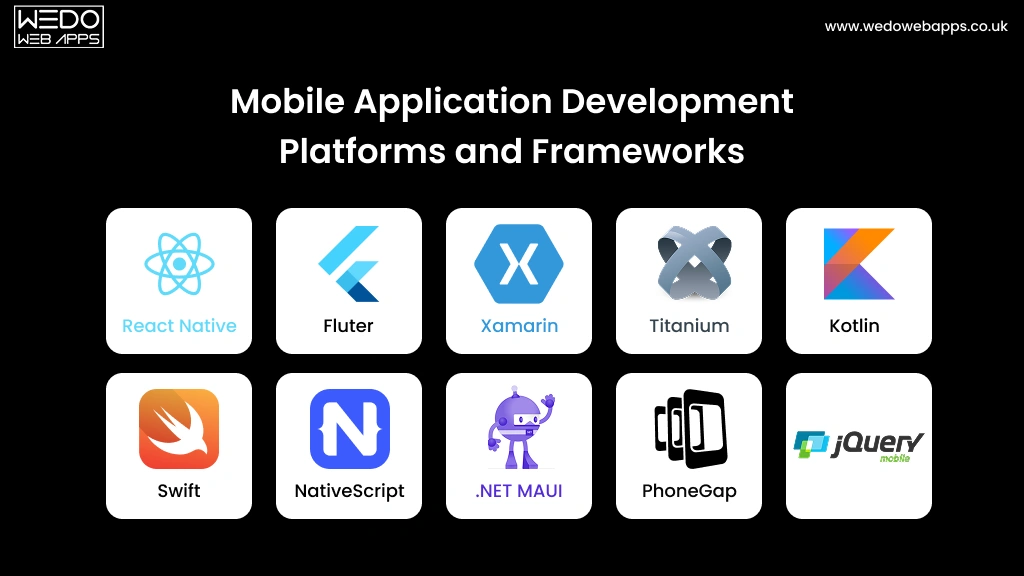
Before understanding app development, you should know what mobile application development platforms are. You should also understand which mobile application development frameworks and tools are essential.
Choosing the right platform and framework affects your app’s performance, speed, and scalability. Developers often pick between native development for specific platforms, or cross-platform solutions that work on multiple devices.
Cloud-based solutions like AWS mobile app development provide backend support, analytics, and scalability. Whether you are following mobile app development tutorials or building professionally, knowing the platforms and frameworks is important.
Native vs Cross-Platform Development
When building apps, choosing between native and cross-platform development is one of the first decisions a developer makes.
- Native Development:
- Builds apps specifically for one platform, iOS or Android
- Offers better performance, smooth animations, and full access to device features
- Ideal for complex apps requiring high performance
- Cross-Platform Development:
- Allows one codebase to run on multiple platforms
- Saves time and resources, but may have slight performance trade-offs
- Popular for startups and apps with moderate functionality
Choosing the right approach depends on project requirements, budget, and target audience.
Popular Platforms: iOS, Android, AWS Mobile App Development
| Platform | Description | Best For |
| iOS | Runs on Apple devices. Built with Swift or Objective-C | High-end apps, strong security, premium audience |
| Android | Runs on devices worldwide. Built with Java or Kotlin | Large user base, flexibility, multiple device types |
| AWS Mobile App Development | Cloud-based platform to build, host, and scale apps | Apps requiring backend integration, analytics, and scalability |
Tip: Combining platforms with the right frameworks ensures faster development and better performance.
Key Frameworks and Tools for Mobile App Development
Developers rely on frameworks and tools to speed up app development and ensure quality. Some essential tools include:
- IDEs (Integrated Development Environments): Android Studio, Xcode, Visual Studio
- Version Control: Git, GitHub, GitLab
- UI Design Tools: Figma, Sketch, Adobe XD
- Testing Tools: Appium, XCTest, Espresso
Using these tools effectively improves productivity and makes app development more reliable.
Mobile Application Development Frameworks: React Native, Flutter, Kotlin, .NET MAUI
| Framework | Description | Platform Support | Key Advantage |
| React Native | A JavaScript-based framework by Facebook | iOS and Android | Fast development, reusable code |
| Flutter | Google’s UI toolkit using Dart | iOS and Android | Beautiful UIs, high performance |
| Kotlin Multiplatform | Kotlin-based framework | iOS and Android | Shared logic with native performance |
| .NET MAUI | Microsoft framework using C# | iOS, Android, Windows | Cross-platform with the .NET ecosystem |
Professional Tip: Choosing the right framework depends on app complexity, required performance, and development speed.

Learning Mobile App Development
Learning mobile app development is an effective step when paired with mobile application development tutorials. It combines logical thinking, creativity, and consistent practice.
Many beginners assume it requires deep technical expertise from day one, but the learning curve depends on the approach, tools, and resources you choose. With the right mobile app development tutorials and a structured learning path, even as a beginner you can make steady progress.
How Hard Is Mobile App Development?
A common question is how hard mobile app development is. The answer depends on your background and goals. For beginners, the challenge often comes from understanding programming concepts and platform-specific requirements.
Key factors that influence difficulty include:
- Your familiarity with programming languages like Java, Kotlin, Swift, or JavaScript
- Whether you choose native or cross-platform development
- The complexity of the app you want to build
Simple apps are easier to start with and help build confidence. As projects grow in complexity, problem-solving and architecture skills become more important.
How to Learn Mobile App Development for Free
If you are wondering how to learn mobile app development for free, the good news is that many high-quality resources are available at no cost. Free learning works best when combined with hands-on practice.
Effective free learning methods include:
- Official documentation from Android, Apple, and cloud platforms
- Open-source projects that allow you to study real app code
- Community-driven tutorials and coding challenges
Free resources help beginners understand fundamentals before moving to advanced topics like AWS mobile app development or backend integration.
Recommended Tutorials and Learning Platforms
Structured mobile app development tutorials play a major role in reducing confusion and speeding up learning. The most effective tutorials focus on real-world projects rather than only theory.
Common learning platforms offer:
- Step-by-step app-building guides
- Beginner to advanced learning paths
- Practical examples using modern frameworks and tools
These tutorials often cover both frontend and backend basics, helping learners understand how apps function end-to-end.
Essential Skills Every Mobile App Developer Needs
To grow as a professional, every developer must build a strong skill set beyond writing code. These skills apply whether you are learning independently or planning a long-term career.
Core skills include:
- Programming fundamentals and data handling
- Understanding mobile application development frameworks and tools
- Basic UI and UX principles for usability
- Debugging, testing, and version control
- Problem-solving and continuous learning
Developers who focus on these skills find it easier to adapt to new platforms, tools, and industry changes.
The Mobile App Development Process
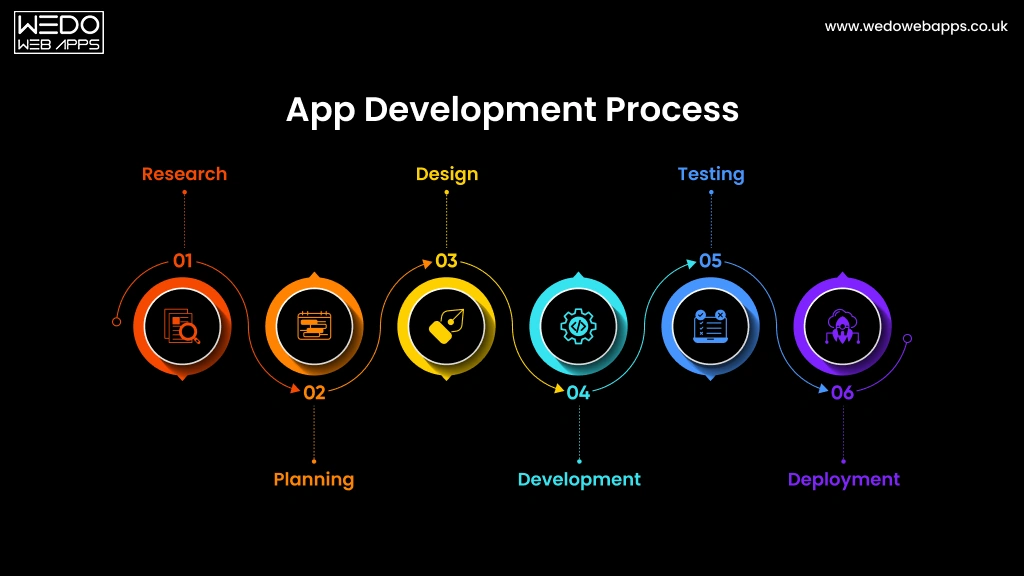
A mobile app development agency follows a structured process that transforms an idea into a fully functional application. Each stage plays a specific role, from defining the concept to maintaining the app after launch. Understanding this process makes mobile app development tutorials easier to follow and reduces mistakes during execution.
Planning and Ideation
Every successful app starts with a clear plan. This stage focuses on defining the app’s purpose and target audience.
Key activities include:
- Identifying the problem the app will solve
- Researching competitors and similar apps
- Defining core features and user flow
- Choosing the right platform based on business goals
Strong planning reduces rework and ensures smoother development in later stages.
Designing UX and UI for Mobile Apps
Design plays a major role in user retention. UX focuses on usability. UI focuses on visual appeal.
During this stage, developers and designers work on:
- Wireframes and screen layouts
- Navigation structure and user flow
- Colour schemes and typography
- Accessibility and responsiveness
Well-designed apps feel intuitive, making them easier to use and more engaging for users.
Coding and Development Tools
This is where the app comes to life. Developers write code using the selected mobile application development frameworks and tools.
Common tools and technologies include:
- Programming languages like Swift, Kotlin, or JavaScript
- Frameworks such as React Native or Flutter
- IDEs like Android Studio and Xcode
- Backend services, including AWS mobile app development solutions
Using the right tools improves code quality and development speed.
Testing, Deployment, and Maintenance
Before launch, apps must be tested to ensure performance and stability.
This stage involves:
- Functional testing to check features
- Performance testing across devices
- Security testing to protect user data
- App store submission and approval
After deployment, regular maintenance is required to fix bugs, improve features, and keep the app compatible with platform updates.

Backend Development and Security
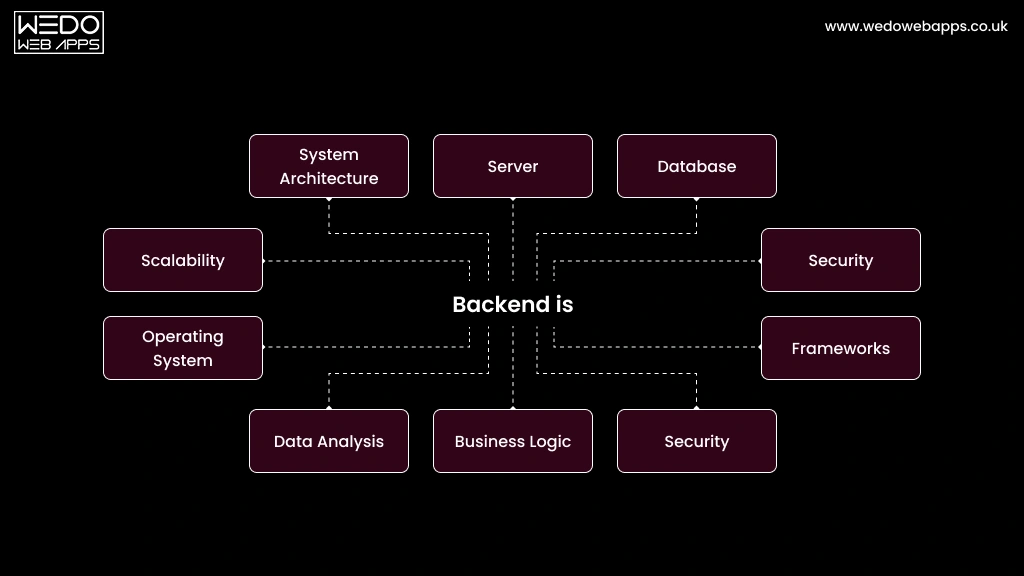
While the front end defines how an app looks, the backend determines how it works. Backend systems handle data storage, user authentication, APIs, and business logic. A strong backend is essential for scalability, performance, and data protection, especially for apps built using modern mobile application development platforms and cloud services like AWS mobile app development.
Backend Essentials for Mobile Apps
The backend acts as the engine of a mobile application. It ensures data flows smoothly between the app and the server.
Core backend components include:
- Servers and APIs that connect the app with databases
- Databases for storing user data, content, and app settings
- Authentication systems for login and user management
- Cloud services such as AWS mobile app development tools for hosting and scalability
A well-structured backend improves app performance and makes future updates easier to manage.
Common Security Practices in Mobile App Development
Security is a critical part of mobile app development, as apps often handle sensitive user information. Following standard security practices reduces risks and builds user trust.
Essential security practices include:
- Secure data transmission using encryption
- Strong authentication and authorisation mechanisms
- Regular security testing and code reviews
- Secure storage of credentials and user data
- Compliance with platform-specific security guidelines
Implementing these practices helps developers build reliable apps that protect both user data and business logic.
Career and Monetisation Insights
Mobile app development offers strong career potential and multiple income paths. As businesses continue to invest in mobile-first solutions, developers benefit from steady demand, flexible roles, and long-term growth. Whether you plan to work for a company, freelance, or build your own apps, understanding career prospects and monetisation options helps you make informed decisions.
How Much Does a Mobile App Developer Make?
A common question among beginners is how much a mobile app developer makes. Earnings vary based on experience, location, and skill set.
Typical earning ranges include:
- Entry-level developers earn competitive starting salaries after mastering core skills
- Mid-level developers see higher pay as they work with advanced frameworks and backend systems
- Experienced developers and specialists earn significantly more, especially with cloud skills like AWS mobile app development
Freelancers and independent developers may earn more per project, depending on complexity and client requirements.
Career Growth and Job Opportunities
Career growth in mobile app development is driven by continuous learning and practical experience. Companies hire a mobile app developer across multiple paths based on their interests.
Common career options include:
- Native app developer for iOS or Android
- Cross-platform developer using modern frameworks
- Backend-focused mobile developer
- Freelance or contract-based app developer
As the number of apps grows worldwide, companies actively seek developers who can build, maintain, and scale mobile applications.
Monetisation Strategies for Your Apps
Beyond salaries, developers can earn directly from the apps they create. Choosing the right monetisation model depends on the app’s purpose and audience.
Popular monetisation strategies include:
- Paid app downloads
- In-app purchases for premium features
- Subscription-based access
- Advertising and sponsorships
- Enterprise or business-focused app solutions
Understanding monetisation early helps developers design apps that support long-term revenue without compromising user experience.
Emerging Trends in Mobile App Development
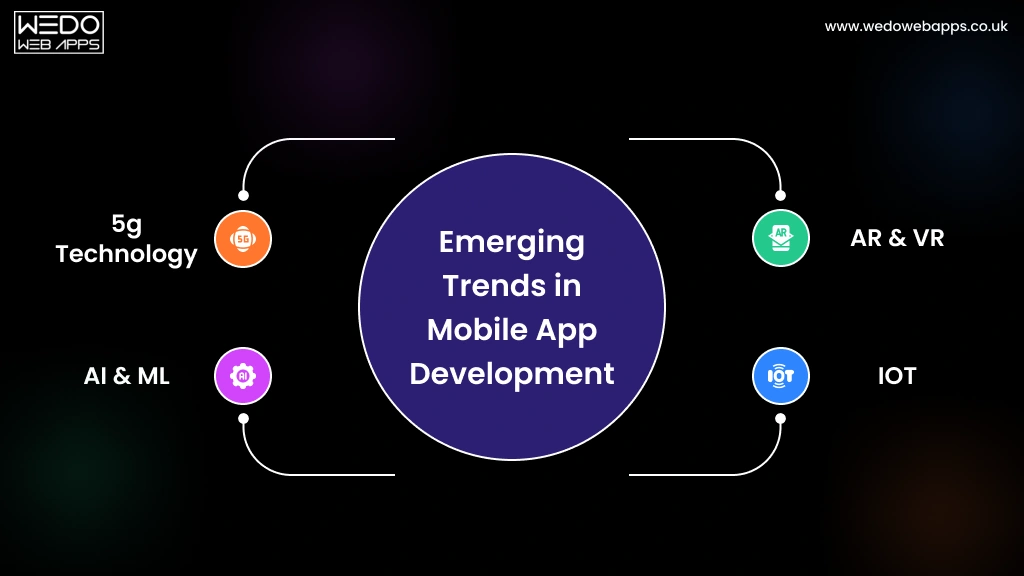
Mobile app development continues to evolve as new technologies reshape how apps are built and used. Staying aware of emerging trends helps developers build future-ready apps and remain competitive. These trends influence performance, user experience, and long-term scalability across modern mobile application development platforms.
Role of 5G in Mobile App Development
The adoption of 5G networks is changing how mobile apps function by enabling faster data transfer and lower latency.
Key impacts of 5G include:
- Faster app load times and real-time data processing
- Improved performance for streaming, gaming, and live interactions
- Better support for cloud-based features and backend services
- Enhanced experiences for apps using video, AR, and real-time analytics
For developers, 5G opens new possibilities for building high-performance apps that were previously limited by network speed.
AI, AR, VR, and IoT in Mobile Apps
Advanced technologies are becoming more common in mobile applications, especially in sectors like healthcare, retail, and finance.
These technologies are used to:
- Personalise user experiences using artificial intelligence
- Enable immersive interactions through augmented and virtual reality
- Connect mobile apps with smart devices using IoT systems
- Automate workflows and improve decision accuracy
Developers who learn to integrate these technologies gain an advantage in building innovative and scalable apps.
Sustainability and Green Development Practices
Sustainability is becoming an important consideration in mobile app development. Developers are focusing on reducing energy consumption and improving app efficiency.
Common sustainable practices include:
- Optimising code to reduce battery usage
- Minimising unnecessary background processes
- Using efficient cloud infrastructure for backend operations
- Designing lightweight apps with better performance
Sustainable development benefits the environment and improves app reliability and user satisfaction.
Bringing It All Together. Your Path in Mobile App Development Tutorials
Mobile app development is more than learning tools or writing code. It is about understanding how ideas turn into functional applications that people rely on every day. From choosing the right mobile application development platforms to following structured mobile app development tutorials, each step builds your ability to create reliable and scalable apps.
As you progress, concepts like backend systems, security practices, and modern frameworks become easier to manage. Whether you are exploring how to learn mobile app development for free, assessing how hard mobile app development is, or planning a long-term career, consistency and hands-on practice make the biggest difference.
With millions of apps already in use and opportunities expanding across industries, mobile app development remains a strong career choice. By mastering mobile application development frameworks and tools, staying updated with trends, and understanding monetisation options, you position yourself to build apps that create value and support long-term growth.