Content Marketing Strategy for Growth
Content drives visibility, trust, and growth, but only when guided by a clear strategy. Businesses that publish content without direction often struggle to see measurable outcomes. Traffic may fluctuate, engagement may stall, and leads may never convert. A content marketing strategy brings structure to this process. It defines why content is created, who it is meant for, and how it supports business goals. More importantly, it removes guesswork; each article, page, or campaign serves a defined purpose instead of existing in isolation.
At the core of this approach sits a marketing content plan. A strong plan connects strategy with execution by outlining topics, formats, timelines, and distribution channels. It helps your team stay consistent while ensuring that content aligns with audience needs at every stage of the funnel.
In this guide, you will learn how content marketing and strategy work together, how to build a structured plan, and how real-world examples show the strategy working in practice.
What is a Content Strategy?
Think of a content strategy as the blueprint for building a house. Just as an architect carefully plans structure, materials, and design before construction begins, a content strategy outlines messaging, target audience, formats, and distribution channels before a single word is written.
A content development strategy defines how ideas move from concept to published asset, covering the workflow, ownership, quality standards, and review processes that make content production repeatable and scalable.
Without this foundation, even high-quality content can become inconsistent, misaligned, or simply invisible to the audience it was meant to reach.
Content Strategy vs Content Marketing Strategy
| Dimension | Content Strategy | Content Marketing Strategy |
| Focus | Planning and structuring content | Drive engagement, leads, and conversions. |
| Scope | Foundational - defines the ‘what’ and ‘why.’ | Executional - defines the ‘how’ and ‘where.’ |
| Goal | Align messaging, audience, and format | Drive engagement, leads, and conversions |
| Examples | Audience personas, content guidelines, and success metrics | Blog posts, social campaigns, email newsletters, and paid ads |
Content Marketing Statistics
The business case for a structured content marketing and strategy approach is stronger than ever. Here is what the data shows:
- 73% of B2B marketers use content marketing as part of their overall strategy (Content Marketing Institute)
- Content Marketing generates 3x more leads than traditional outbound marketing, while costing 62% less (Demand Metric)
- Companies that blog receives 55% more website visitors than those that do not (HubSpot)
- &0% of the marketers are actively investing in content marketing (HubSpot State of Marketing Report)
- Short-form video delivers the highest ROI of any content format, cited by 26% of marketers (HubSpot)
- Brands with a documented content strategy are 3x more likely to report success than those without one (CMI Annual Report)
- 90% of social media marketers say building an online community is critical to a successful social media content plan (Sprout Social)
Why Your Business Needs a Content Strategy Plan
A few years ago, we worked with a client who had just launched their business. Despite significant investment in their websites and social media profiles, they were generating almost no organic traffic or leads. After implementing a structured content strategy plan for a single quarter, they saw measurable increases in both website traffic and social media conversions, without increasing ad spend.
Here are the ten reasons why every business needs a documented content strategy plan:
1. Aligns with Business Goals
A structured content creation strategy ensures that every piece of content supports measurable objectives, whether that is brand awareness, lead generation, or customer retention. HubSpot built a multi-billion-dollar company largely on this principle.
2. Deepens Target Audience Understanding
Understanding your audience helps you write messages that resonate. A content strategy formalises this by mapping content to audience pain points, demographics, and search behavior.
3. Ensures Consistency Across Channels
Consistency in branding can increase revenue by up to 33%. A documented strategy ensures your tone, messaging, and visual identity remain coherent across every channel.
4. Enables Efficient Resource Utilization
Marketers who plan content proactively are 365% more likely to achieve success. Planning eliminates last-minute scrambling and prevents wasted budget.
5. Boosts SEO and Organic Traffic
Companies that invest in content marketing get 55% more website visitors. A structured SEO and content strategy improves rankings and drives sustained organic traffic.
6. Improves Customer Journey Mapping
Nearly 60% of customers feel more positive about a brand after reading its content. Strategic content guides users from awareness through to purchase decision.
7. Enables Performance Tracking
Companies that measure content marketing ROI are 2x more likely to achieve stronger results. A strategy defines KPIs upfront so performance can be tracked and improved.
8. Facilitates Content Repurposing
Content repurposing can save up to 60% of content creation time. A strategy identifies which content can be adapted across formats, blog to video, webinar to podcast, whitepaper to LinkedIn posts.
9. Adapts to Market Trends
Brands that integrate market trends into their content strategy see up to 3x higher engagement. A living strategy evolves with your audience and industry.
10. Improves ROI and Business Growth
Content marketing generates 3x more leads than traditional marketing while costing 62% less. A structured plan leads to higher engagement, better lead quality, and improved conversions.
Elements of a Content Strategy Plan
A successful content strategy plan contains ten core elements that guide creation, distribution, and optimization.
1. Clear Business Goals
Every content piece must align with long-term business objectives, brand awareness, lead generation, or customer retention. For a SaaS company, this might mean educational blogs that drive demo sign ups.
2. Defined Target Audience
Understand the demographics, pain points, and online bahaviors of your audience. A skincare brand, for example, might create different content for teenagers struggling with acne versus professionals seeking anti-aging solutions.
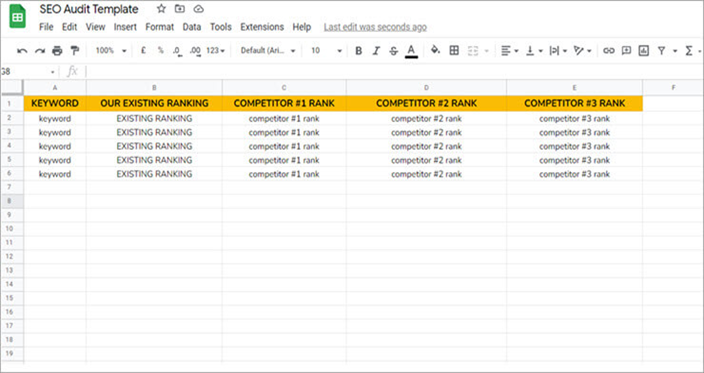
3. Content Audit and Gap Analysis
Before creating new content, analyze what already exists. Identify high-performing pieces, content needing improvement, and topics that are entirely missing. A B2B company might discover a gap in enterprise-focused case studies.
4. Content Types and Formats
A strong strategy includes varied formats: blog posts and articles for SEO, videos for storytelling, infographics for data visualization, podcasts for long-form discussion, social posts for brand awareness, and eBooks for lead generation.
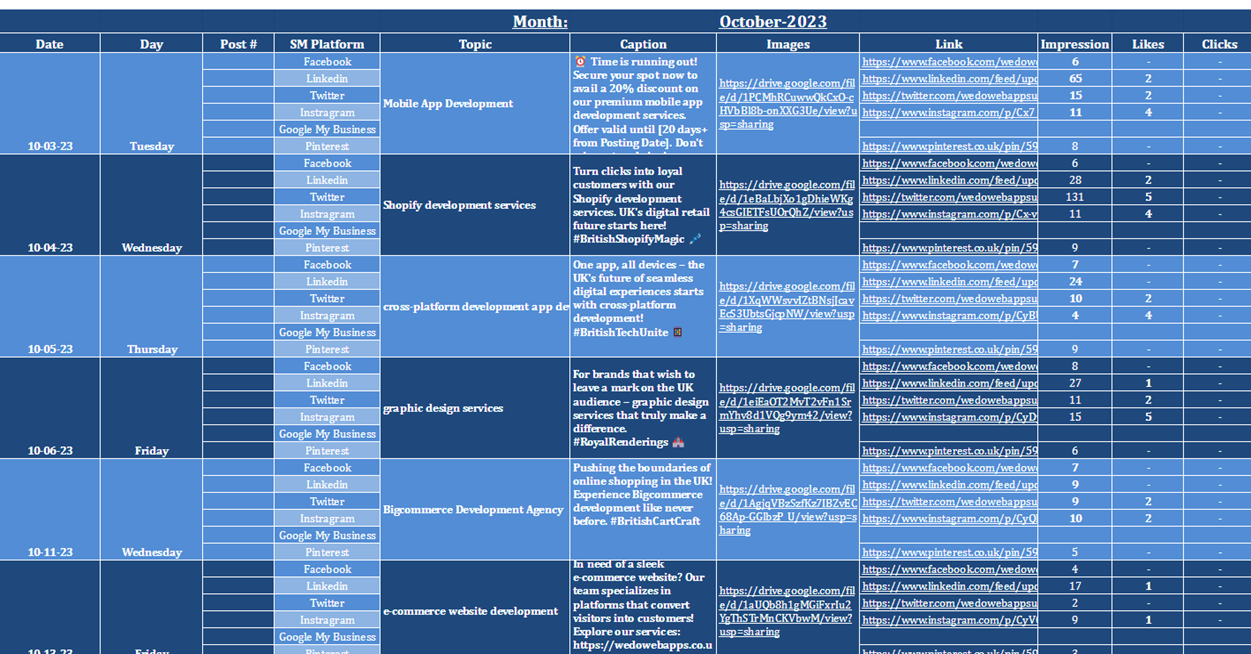
5. Content Calendar
A calendar plans, organizes and schedules publication. It should include publishing dates, target keywords, content formats, and distribution channels. Fashion brands, for instance, plan content around seasonal trends and product launches.
6. SEO and Keyword Strategy
SEO-optimized content improves rankings and drives organic traffic. This includes keyword research (hugh-traffic, low-competition terms), on-page optimization (meta tags, headings, internal linking), and building quality backlinks.
7. Content Distribution and Promotion
Great content must reach its audience. Distribution channels include social media (LinkedIn, Instagram, X), email marketing (newsletters, drip campaigns), paid ads, influencer collaborations, and content syndication.
8. Performance Tracking and Analytics
Key metrics include website traffic (Google Analytics), engagement (likes, comments, shares), conversion rates, and dwell time. These KPIs reveal what is working and where to improve.
9. Content Repurposing Strategy
Extend the life and reach of every asset. A blog post becomes a Twitter thread. A webinar becomes a YouTube video or podcast episode. A whitepaper becomes a series of LinkedIn posts.
10. Content Governance and Workflow
Define who writes, who approves, and who distributes content. Clear roles and responsibilities ensure consistent quality and smooth execution.
How to Create a Content Strategy
Creating an effective content strategy requires careful planning, audience research, and ongoing refinement. Here is a structured framework for building a content creation strategy that delivers measurable results.
1. Define Your Goals
Set clear, SMART goals (Specific, Measurable, Achievable, Relevant, Time-Bound) that align your content development strategy with business objectives. Organize goals by priority - brand awareness, SEO ranking, lead generation, or customer engagement - and assign KPIs to each.
2. Research Your Audience
Use Google Analytics, surveys, and social media insights to collect data on demographics, behavior, and content preferences. Create detailed buyer personas including names, occupations, pain points, and preferred content formats. Update personas regularly as new data becomes available.
3. Run a Content Audit
Assess existing content for quality, relevance, and SEO performance. Identify topic gaps, formatting weaknesses, and repurposing opportunities. Define a workflow for content creation: who writes, who edits, who approves, and who distributes.
4. Choose a Content Management System
Select a CMS that supports your SEO, analytics, and workflow needs. WordPress suits blogging and SEO-focused content. HubSPot CMS is ideal for inbound marketing. Shopify works best for eCommerce content. Define governance guidelines for publishing and updates.
5. Define Content Types and Channels
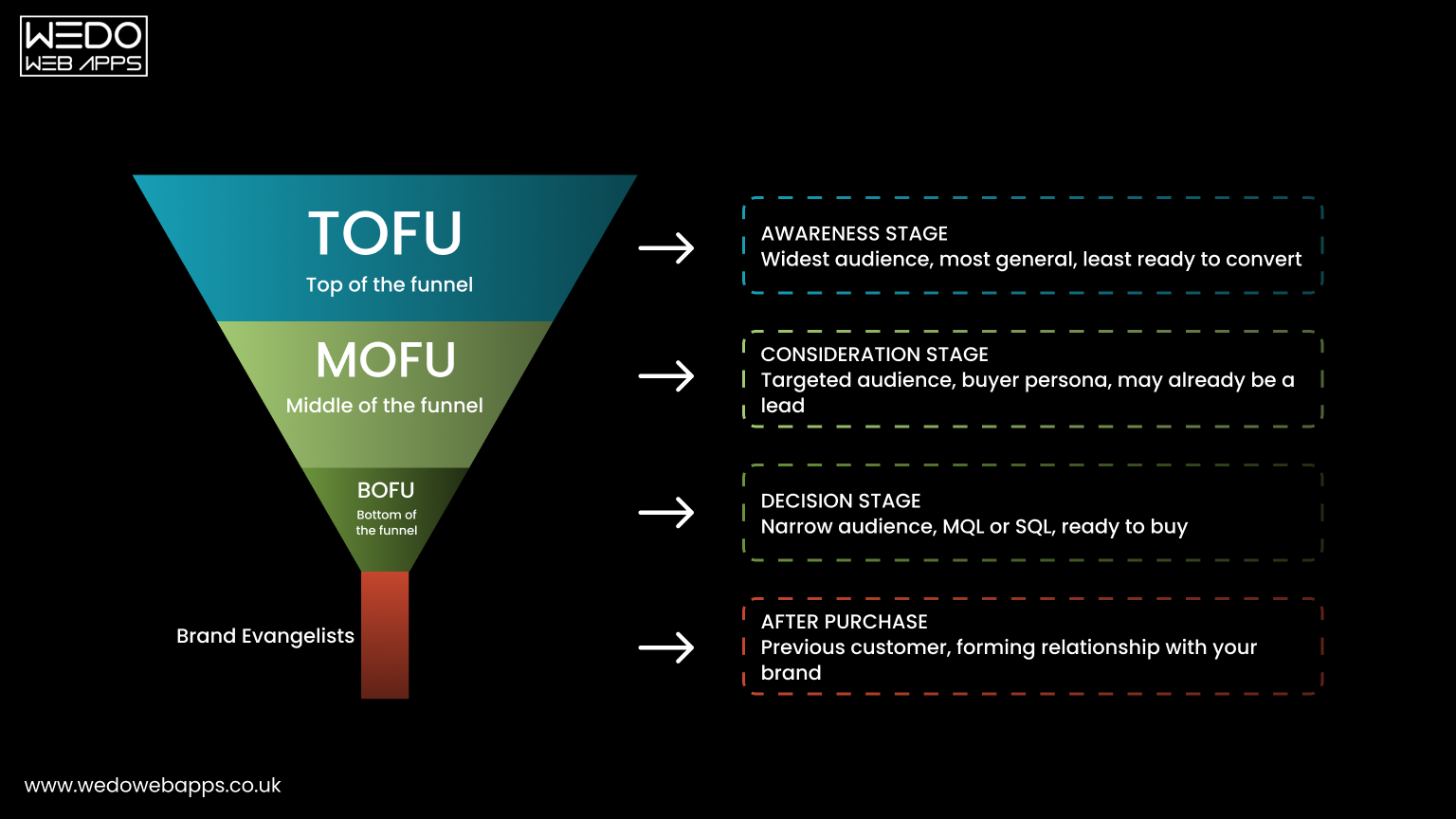
Align content formats with your audience preferences and business goals. Choose topics based on keyword research and industry trends. Match each format - blog, video, case study, social post - to the customer journey stage it serves.
6. Brainstorm Content Ideas
Use keyword research tools (Ahrefs, Google Keyword Planner), competitor analysis, and ideation tools like HubSpot’s Topic Generator. Prioritize ideas by audience interest, SEO potential, and business relevance. Build a content pipeline for future publishing.
7. Publish, Manage, and Optimize
Develop a content calendar with publishing dates tied to audience activity patterns. Implement on-page SEO best practices - keywords, meta descriptions, internal linking. Use Google Analytics and Search Console to track performance and continuously refine your approach based on data.
How to Build a Practical Marketing Content Plan
A marketing content plan answers three core questions: What content needs to be created? When should it be published? Where will it be distributed? It acts as the operational reference point that keeps your team aligned and consistent across every campaign.
The process begins with goal-setting - lead generation, brand visibility, or customer retention. Once goals are clear, map content topics to each stage of the customer journey to ensure users receive the right information at the right time.
A strong marketing content plan also includes:
- Appropriate Content Formats: Blogs, guides, videos, and email campaigns personalized to each channel.
- Publishing frequency and channel selection based on audience behavior data
- Regular performance reviews to assess results and adjust the plan accordingly
Example: A B2B technology company plans monthly though-leadership blogs, weekly LinkedIn posts, and quarterly case studies using a structured marketing content plan. This ensures consistent messaging, a steady pipeline of qualified leads, and no last-minute content scrambles.
Content Marketing Examples That Show Strategy in Action
Understanding a content strategy framework is most valuable when you can see it working in the real world. The following content marketing examples demonstrate how structured planning drives measurable business results.
HubSpot - Educational Blog
HubSpot built one of the most visited marketing blogs in the world by publishing in-depth, SEO-optimized educational content aligned directly to their product’s target audience. Their content strategy plan ensured every article supported a specific stage of the buyer journey, resulting in millions of monthly visitors and a self-sustaining lead generation engine.
Canva - Template-Led Content
Canva uses free, high-value design templates as content to attract users at the top of the funnel. Their social media content plan is tightly integrated with their product, every template they share is also a demonstration of what the tool can do, converting browsers into users.
Shopify - Founder Storytelling
Shopify’s blog targets aspiring entrepreneurs with success stories, how-to guides, and business advice. This content marketing and strategy approach builds trust before any sales conversation begins, making it one of the best content marketing examples of audience-first publishing.
SaaS Company - Service-Driven Content
A typical SaaS company publishes educational blog posts answering common customer questions. These articles rank for high-intent search queries and drive consistent organic traffic, supporting demo sign-ups without relying heavily on paid advertising.
Service-Based Business - Case Studies
Professional service firms share client success stories in blog and email formats. These content marketing examples help prospects understand real-world outcomes, simplifying their decision-making process and shortening the sales cycle.
Best Content Marketing Practices That Drive Results
Knowing what the best content marketing looks like separates high-performing strategies from those that generate effort without outcomes. These five practices are consistently present in the most effective content marketing programmes:
Consistency over volume
Publishing one well-researched, high-quality article per week outperforms five thin posts every time. Search engines reward consistent publishing schedules, and audiences develop trust with brands that show up reliably. Build a realistic editorial calendar and stick to it.
Audience-first content creation
The best content marketing starts with the audience's questions, not the brand's messages. Use keyword research, customer interviews, and sales team insights to identify exactly what your audience wants to know, then answer those questions more thoroughly than any competitor.
Integrating SEO from the start
SEO and content strategy are most powerful when treated as a single discipline rather than separate workstreams. Keyword research informs topic selection. On-page optimization is built into the writing process. Internal linking is planned, not added as an afterthought.
Content repurposing for maximum reach
Every long-form asset should be repurposed across multiple formats and platforms. A 2,000-word blog becomes a LinkedIn carousel, a short-form video script, an email newsletter, and five social media posts. This approach multiplies the return on every piece of content you create.
Data-driven optimization
The best content marketers treat every published piece as a hypothesis. They track performance using Google Analytics, Search Console, and engagement metrics, then update, consolidate, or remove content based on what the data reveals. Content optimization often delivers faster results than creating new content from scratch.
What Questions to Ask While Creating a Content Strategy
Asking the right questions during strategy development ensures your plan stays grounded in business goals and audience needs.
Goal-Oriented Questions
- What are the primary objectives of our content strategy?
- How does our content align with overall marketing and business goals?
- Which KPIs will we use to measure success?
- What is the timeline for achieving our content goals?
Audience Research Questions
- Who is our target audience and what are their core pain points?
- What type of content does our audience consume most?
- Where does our audience spend their time online?
- How can we personalize content to better connect with different audience segments?
Competitive Analysis Questions
- Who are our main competitors and what content do they create?
- What content gaps exist in our industry that we can fill?
- How can we differentiate our content from competitors?
Content Creation Questions
- What topics and themes are relevant to our audience and industry?
- What content formats will we produce - blogs, videos, infographics, and podcasts?
- How frequently should we publish?
- Who is responsible for creation, editing, and approval?
- What tone and voice reflects our brand identity?
SEO and Distribution Questions
- Which keywords should we target to improve search visibility?
- Which channels should we prioritize for content distribution?
- How can we repurpose existing content to maximize reach?
Performance and Optimization Questions
- How will we track and measure content performance?
- Which analytics tools will we use for reporting?
- How often will we conduct content audits?
- How will we update content based on data insights?
Social Media Content Plan: Building an Engaged Audience
A well-built social media content plan is one of the most direct ways to build brand awareness, foster community, and drive traffic back to your website. Social media does not operate independently, it is an extension of your broader content marketing strategy.
Platform-Specific Content Strategy
Not all platforms serve the same purpose. Here is how to approach each one:
- LinkedIn: 3-5 posts per week. Thought leadership articles, industry insights, company news, and long-form carousel posts. Ideal for B2B brands targeting decision-makers.
- Instagram: 4-7 posts per week. Visual storytelling, product showcases, behind-the-scenes content, and Reels for discovery. Best for consumer brands and lifestyle businesses.
- X (Twitter): 1-2 posts per day. Real-time commentary, quick tips, industry news, and community conversions. Strong for tech, media, and professional services.
- YouTube: 1-2 videos per week. Educational tutorials, product walkthroughs, and long-form interviews. The highest-retention platform for building deep audience trust.
- Facebook: 3-5 posts per week. Community groups, event promotion, and long-form updates. Strongest for local businesses and community-driven brands.
Social Media Content Calendar
A social media content calendar ensures you are never scrambling for posts at the last minute. It maps out themes for each week, aligns social content with campaign timelines, and ensures platform-specific formats are planned in advance. Tools like Buffer, Hootsuite, and Sprout Social allow you to schedule content in batches, saving hours of daily effort.
Measuring Social Media Content PerformanceTrach these metrics to evaluate your social media content plan:
- Reach and Impressions: hoe many people are seeing your content
- Engagement Rate: likes, comments, shares, and saves as a percentage of reach
- Click-Through Rate: How effectively your content drives website traffic
- Follower Growth: the rate at which your audience is expanding
- Conversion Rate: how social traffic converts into leads or customers
SEO and Content Strategy: A Powerful Combination
An effective SEO and content strategy treats search optimization not as a technical afterthought but as the foundation of content planning. When SEO and content strategy are built together from the start, every piece of content has a defined search opportunity, a clear audience, and a measurable goal.
Keyword Research
Keyword research identifies the exact phrases your audience uses when searching for solutions you provide. Use tools like Ahrefs, Semrush, and Google Keyword Planner to find high-volume., achievable keywords. Prioritize long-tail keywords for faster ranking wins and shorter-tail terms for long-term authority building.
On-Page Optimization
For every piece of content, ensure your address:
- Title tag and meta descriptions: include the primary keyword naturally
- H1 and H2 headings: structure content for both readers and search crawlers
- Image alt text: Describe every image using keyword-relevant descriptions
- Internal linking: connect related content to build topical authority
- URL structure: keep URLs short, descriptive, and keyword-inclusive
Content Quality for SEO
Search engines reward content that answers user queries thoroughly, accurately, and in a format that matches search intent. For informational queries, comprehensive guides perform best. For transactional queries, clear product or service pages with social proof convert. Always write for humans first - clarity, usefulness, and readability drive both engagement and rankings.
Performance Monitoring
Use Google Analytics 4 and Google Search Console to track organic traffic, keyword rankings, click-through rates, and page-level engagement. Review performance monthly and update content that has dropped in rankings or engagement. Content optimisation typically delivers faster results than publishing new content.
Content Strategy Template and Best Practices
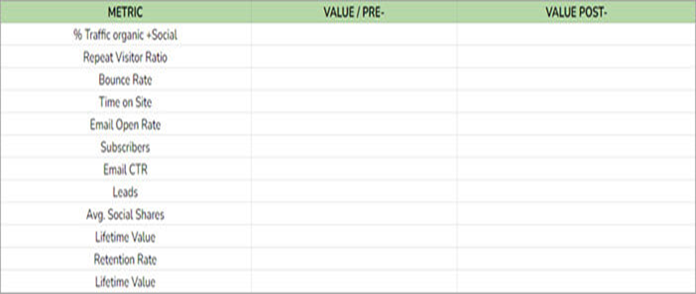
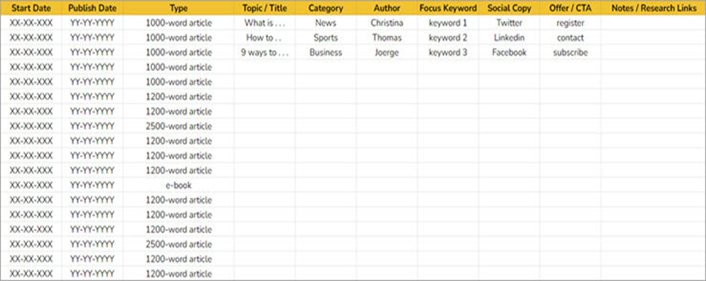
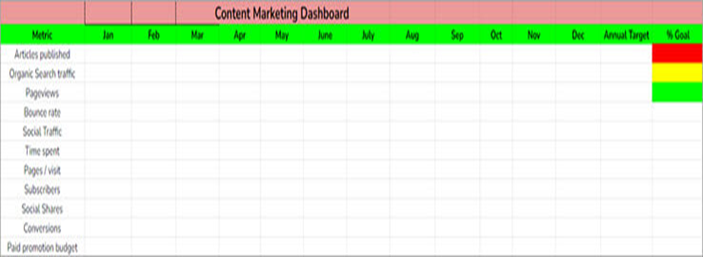
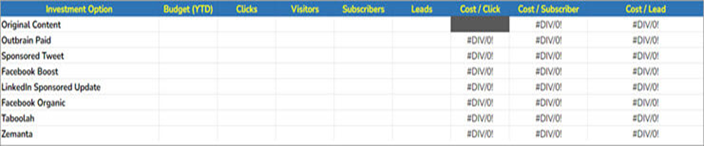
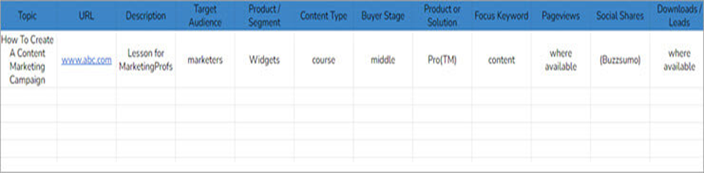
A structured content strategy template helps teams move from planning to execution without reinventing the wheel each quarter. Your template should include:
- Content goals and business objectives
- Audience personas and competitor analysis summary
- Content types and preferred distribution channels
- Editorial calendar with publication dates and owners
- SEO keyword targets and on-page optimization checklist
- Performance metrics and reporting schedule
Best Practices for a Successful Content Strategy
- Update and Repurpose Content Regularly: Refreshing old content for accuracy, relevance, and SEO is one of the highest-ROI activities in content marketing.
- Focus on Storytelling and Emotional Connection: Data informs strategy but stories drive action. Build narratives that make your audience feel understood.
- Use Analytics to Guide Every Decision: What gets measured gets improved. Treat every content decision as a hypothesis and let performance data confirm or challenge it.
- Integrate SEO from the First Draft: The best time to think about keywords, structure, and search intent is before you start writing, not after.
- Build a Distribution Habit: Creating content without a distribution plan is like printing a flyer and leaving it in a drawer. Promote every piece across multiple channels.
Conclusion
A content marketing strategy is the foundation of every successful digital marketing campaign. Without a structured plan, businesses face inconsistent messaging, wasted resources, and missed opportunities to connect with their audience at the moments that matter most.
By defining clear goals, conducting thorough audience research, building a content development strategy, integrating SEO, and continuously measuring performance, businesses can create content that resonates, builds trust, and drives long-term growth.
At WEDOWEBAPPS, we specialise in crafting data-driven content marketing strategies that help businesses improve their online presence, attract the right audience, and convert visitors into loyal customers. Whether you need SEO-optimised content, a social media content plan, or a full content strategy plan built from scratch, our expert team ensures your brand stands out in a competitive digital landscape.

















 Sharing Project Details
 Let's have a
call
Let's have a
call Got
Questions? Let’s Chat!
Got
Questions? Let’s Chat!