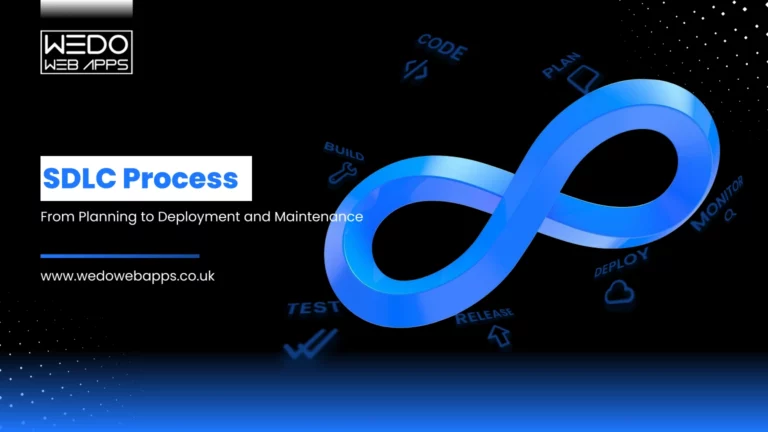
Introduction: Why the Software Development Life Cycle (SDLC) Matters?
Are your software projects struggling with delays, budget overruns, or unclear requirements? The Software Development Life Cycle (SDLC) is your roadmap to building high-quality software efficiently and reliably. By understanding the 7 SDLC phases and choosing the right development model, teams can deliver products that meet user expectations, and adapt quickly to changing tech trends in 2026, including AI-assisted coding and hybrid development practices.
Modern product managers and development teams rely on the SDLC because it:
- Provides clear visibility of project progress for stakeholders.
- Helps manage risks and costs from planning to deployment.
- Ensures quality, scalability, and user satisfaction through structured phases.
In this guide, we’ll explore:
- The 7 key phases of the Software Development Life Cycle.
- The 5 most widely used SDLC models in today’s fast-paced development environment.
- Practical tips to choose the right approach for your project.
What is the Software Development Life Cycle?
The Software Development Life Cycle (SDLC) is a structured process that software teams follow to build high-quality, efficient, and cost-effective software. Its primary goal is to minimize risks during development and ensure the final product meets customer requirements. Think of SDLC as a roadmap that guides your project from idea to deployment, and beyond. It breaks down complex development into manageable stages, making it easier to plan, track, and deliver software successfully.Key objectives of the SDLC include:
- Structured Planning: Ensures each phase has clear goals and deliverables.
- Risk Reduction: Identifies potential issues early to avoid costly mistakes.
- Quality Assurance: Ensures software meets functional, performance, and security standards.
- Efficient Resource Management: Helps allocate time, budget, and human resources effectively.
By following the SDLC, teams can:
- Track progress easily for stakeholders and management.
- Adapt to changing requirements without derailing the project.
- Deliver software on time and within budget, while maintaining high quality.
Benefits of Software Development Life Cycle for the Product Teams
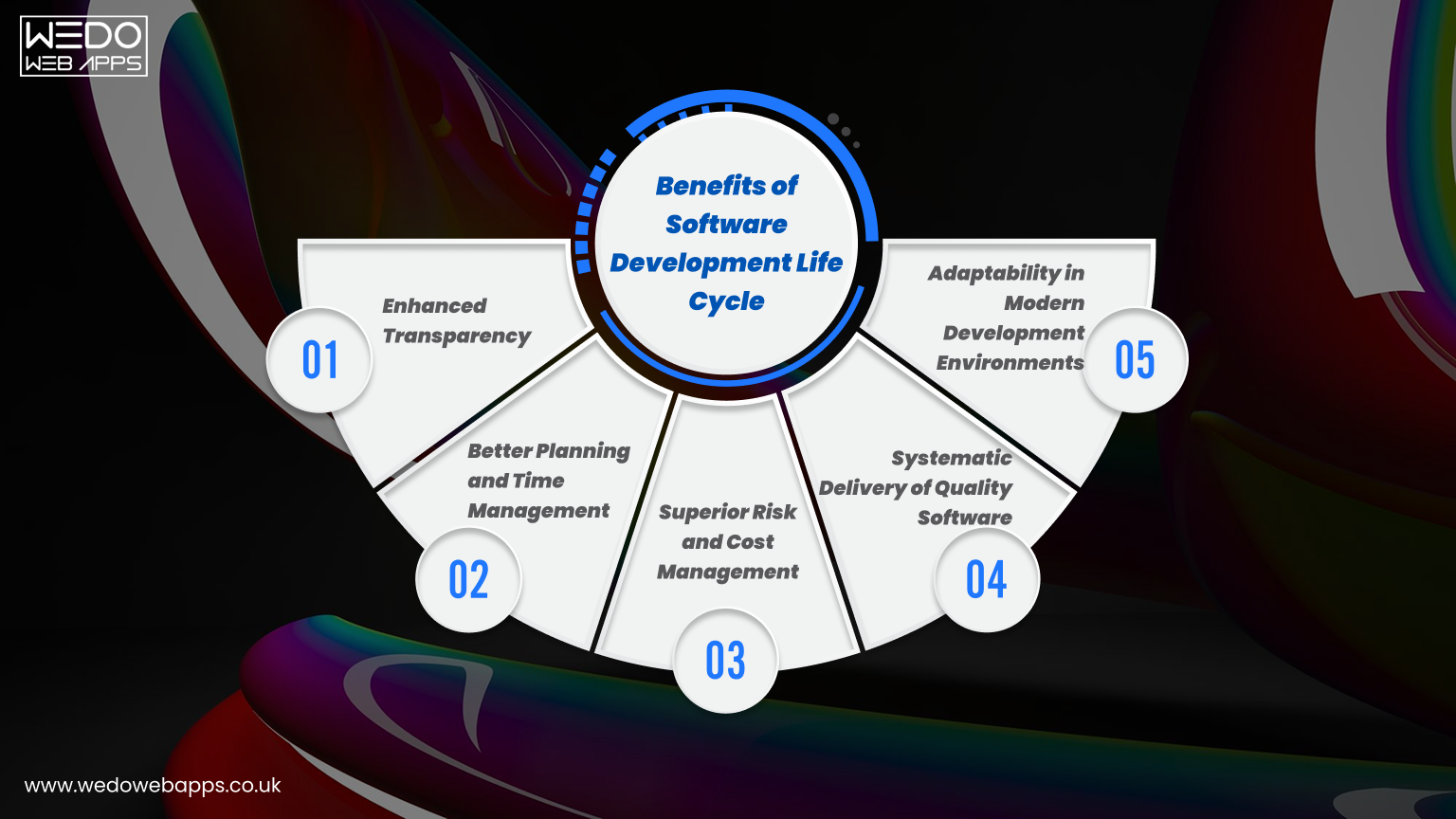
The Software Development Life Cycle (SDLC) offers product teams a clear roadmap to manage complex software projects efficiently. In 2026, with hybrid teams, cloud-based development, and AI-assisted tools becoming the norm, following SDLC phases is more important than ever.
Here’s how adopting the SDLC benefits your team:
1. Enhanced Transparency
- Every phase of the SDLC provides clear visibility into project progress.
- Stakeholders, developers, and product managers stay aligned, reducing miscommunication.
2. Better Planning and Time Management
- The SDLC breaks the project into well-defined phases, enabling accurate time and resource estimation.
- Teams can prioritize features and deliver incremental updates efficiently.
3. Superior Risk and Cost Management
- Early identification of potential issues helps minimize risks.
- Enables better budget control and prevents costly rework later.
4. Systematic Delivery of Quality Software
- Following the SDLC phases ensures software meets functional, security, and user experience standards.
- Leads to higher customer satisfaction and smoother deployment.
5. Adaptability in Modern Development Environments
- Supports AI-assisted coding, cloud integration, and hybrid team collaboration.
- Makes it easier to adapt to changing requirements without disrupting the development cycle.
- Everyone knows the goals, requirements, and deadlines from the start.
- Provides a clear strategy to achieve project objectives.
- Makes complex software development manageable and predictable.
By following the software development lifecycle process systematically, teams can reduce delays, cut costs, and deliver software that truly meets user needs.
The 7 Phases of the Software Development Life Cycle
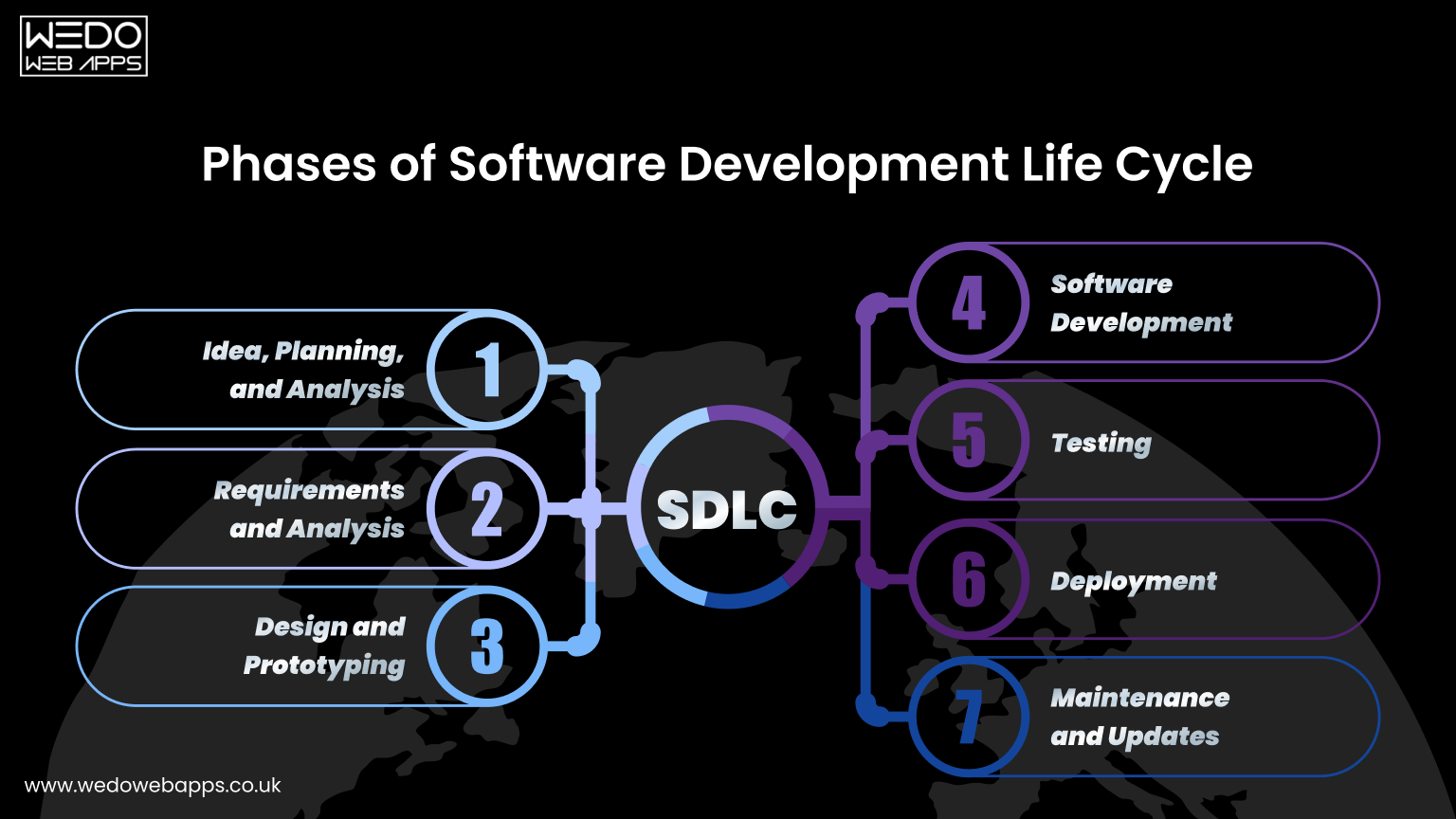
Understanding the 7 key phases of the Software Development Life Cycle is essential for delivering high-quality software efficiently. Here’s a breakdown of each stage with practical insights:
1. Idea, Planning, and Analysis
- Goal: Identify project feasibility, objectives, and user needs.
- Gather requirements from stakeholders and end-users.
- Evaluate cost, potential ROI, and technical feasibility.
- Modern tip: Use AI-assisted analytics tools to prioritize features based on value, cost, and development time.
- Outcome: A clear roadmap aligning software goals with business objectives.
2. Requirements and Analysis
- Goal: Translate the collected data into detailed, actionable requirements.
- Key deliverables:
- Software Requirement Specification (SRS)
- Use Case Document
- Requirement Traceability Matrix (RTM)
Ensures the development team knows exactly what to build, reducing scope creep.
Pro tip: Use collaborative cloud tools to maintain real-time requirement updates across distributed teams.
3. Design and Prototyping
- Goal: Convert requirements into a detailed design.
- Create the Software Design Document (SDD), including: architecture, languages, templates, platform selection, and security measures.
- Develop wireframes, mockups, or prototypes to visualize the product early.
- Modern trend: Use low-code/no-code tools or AI-assisted prototyping to speed up the design phase.
- Benefits: Early feedback, fewer code rewrites, and smoother development.
4. Software Development
- Goal: Build the actual software based on design documents.
- Split the project into modules and convert requirements into functional code.
- Track progress with clear milestones and timelines.
- Trend in 2026: Incorporating AI coding assistants and collaborative coding platforms for faster development.
- Sometimes overlaps with testing for continuous integration and early bug detection.
5. Testing
- Goal: Ensure the software meets all requirements and is bug-free.
- Types of testing:
- Unit Testing: Test individual components.
- Functional Testing: Ensure features work as intended.
- Performance Testing: Check speed and scalability.
- Security Testing: Detect vulnerabilities.
- Usability Testing: Assess user experience.
- Acceptance Testing: Confirm readiness for release (beta or field testing).
Modern approach: Use automated testing tools and AI-assisted QA to reduce time and improve accuracy.
6. Deployment
- Goal: Launch software to the end-users or production environment.
- Methods:
- Canary release: Gradual rollout to a small user group.
- Full deployment: Launch to all users at once.
- Pro tip: Use CI/CD pipelines and cloud-based deployment platforms for smooth and fast releases.
7. Maintenance and Updates
- Goal: Keep the software running smoothly and continuously improve it.
- Address bugs or performance issues discovered after release.
- Incorporate new features based on user feedback.
- 2026 trend: Continuous improvement with AI monitoring tools and predictive maintenance.
- Agile methodologies now treat maintenance as an ongoing development phase, rather than a one-time final step.
Top Five Software Development Life Cycle (SDLC) Best Practices
Choosing the right SDLC model is only half the work. Successful software development companies follow proven SDLC best practices to ensure security, quality, and scalability, without compromising timelines or budgets.
1. Build Security into Every SDLC Phase (DevSecOps Approach)
Modern software projects require security from day one, not after deployment.
Best practice:
- Integrate security checks during planning, design, development, and testing
- Follow a DevSecOps mindset with early vulnerability detection
- Apply “shift-left” security to identify risks before they escalate
Why it matters for clients: Early security integration reduces costly fixes, compliance risks, and post-launch vulnerabilities.
2. Establish Secure and Standardized Design Requirements
Standardization ensures consistency and long-term maintainability.
Best practice:
- Define secure design principles before development begins
- Use approved frameworks, libraries, and development tools
- Align architecture decisions with performance and scalability goals
Why it matters for clients: A secure, well-defined design reduces technical debt and supports future business growth.
3. Maintain Clear Documentation Throughout the SDLC
Documentation is not optional, it’s a project success factor.
Best practice:
- Document requirements, architecture, coding standards, and workflows
- Keep documentation updated at every SDLC stage
- Ensure smooth onboarding for new developers and stakeholders
Why it matters for clients: Clear documentation ensures transparency, easier maintenance, and faster enhancements.
4. Enforce Continuous Code Reviews and Quality Checks
Quality improves when feedback is ongoing.
Best practice:
- Conduct peer code reviews during each development cycle
- Use predefined code review checklists and standards
- Combine manual reviews with automated testing tools
Why it matters for clients: Regular quality checks reduce defects, improve performance, and ensure stable releases.
5. Secure Development Environments and Control Repository Access
Uncontrolled access increases security risks.
Best practice:
- Restrict access to code repositories based on roles
- Monitor commits and changes continuously
- Implement CI/CD pipelines with automated testing and security scans
Why it matters for clients: Controlled environments protect intellectual property and reduce the risk of malicious code.
Why These SDLC Best Practices Matter When Choosing a Software Development Company
A reliable software development partner doesn’t just follow an SDLC model, they execute it with discipline, security, and transparency. These best practices help ensure predictable delivery, controlled costs, and scalable software that evolves with your business.
Different Models in Software Development Life Cycle
The Software Development Life Cycle (SDLC) can be implemented using different models, each defining how the SDLC phases are planned, executed, and repeated. Choosing the right software development life cycle model directly impacts delivery speed, flexibility, cost, and overall project success.
Below are the most widely used SDLC models in 2026, along with when to use each.
1. The Agile Model
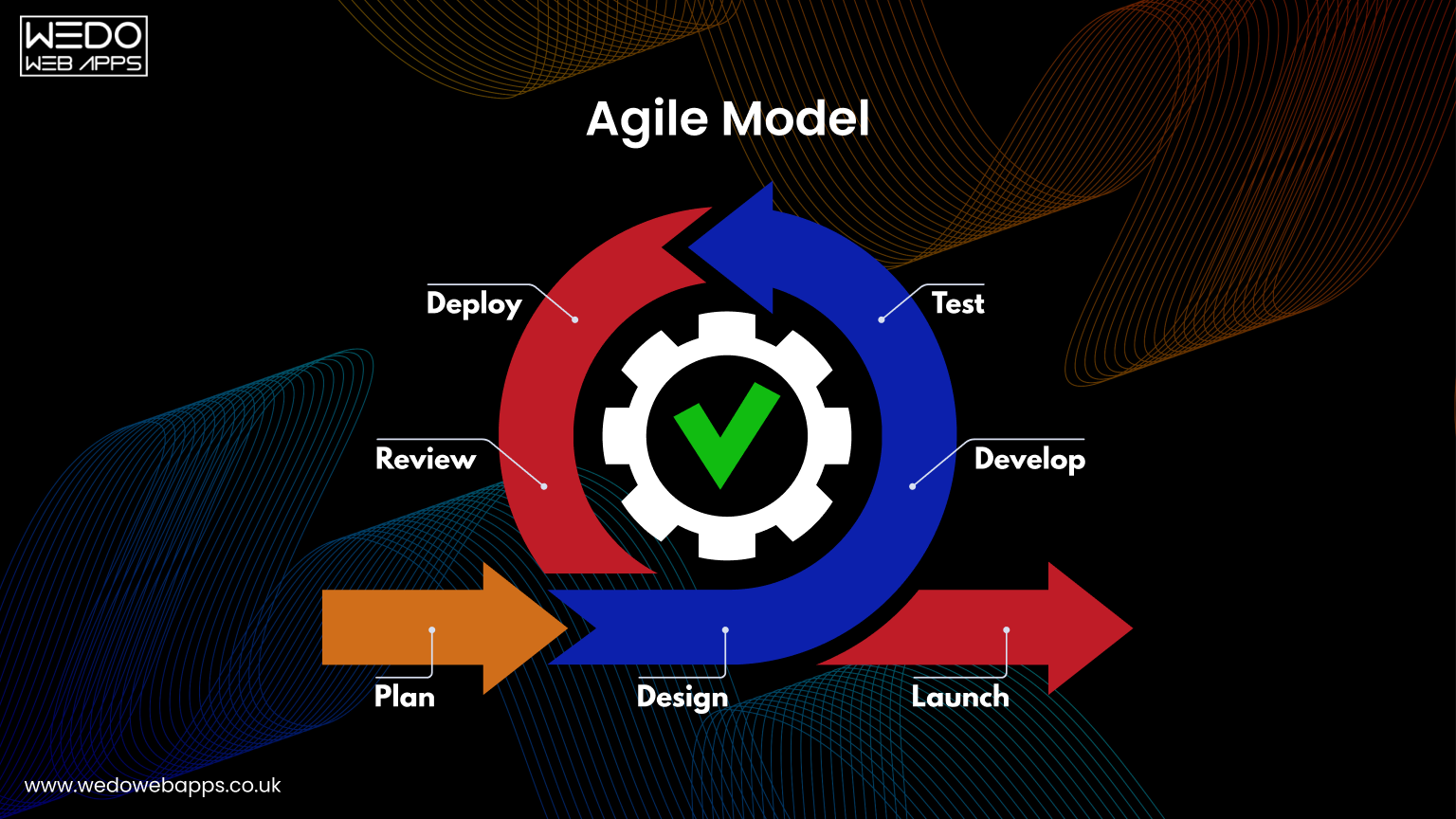
The Agile SDLC model divides the software development lifecycle process into short, iterative cycles (sprints). Each cycle delivers a working version of the product.
Key characteristics:
- Incremental development
- Continuous customer feedback
- Rapid testing and iteration
Best for:
- Products with frequently changing requirements
- Startups and SaaS platforms
- AI-driven or evolving applications
Pros:
- Early issue detection
- Faster time-to-market
- High adaptability
Cons:
- Scope may expand frequently
- Requires strong collaboration and discipline
Agile is often combined with DevOps and AI-assisted planning tools for faster releases.
2. The Waterfall Model
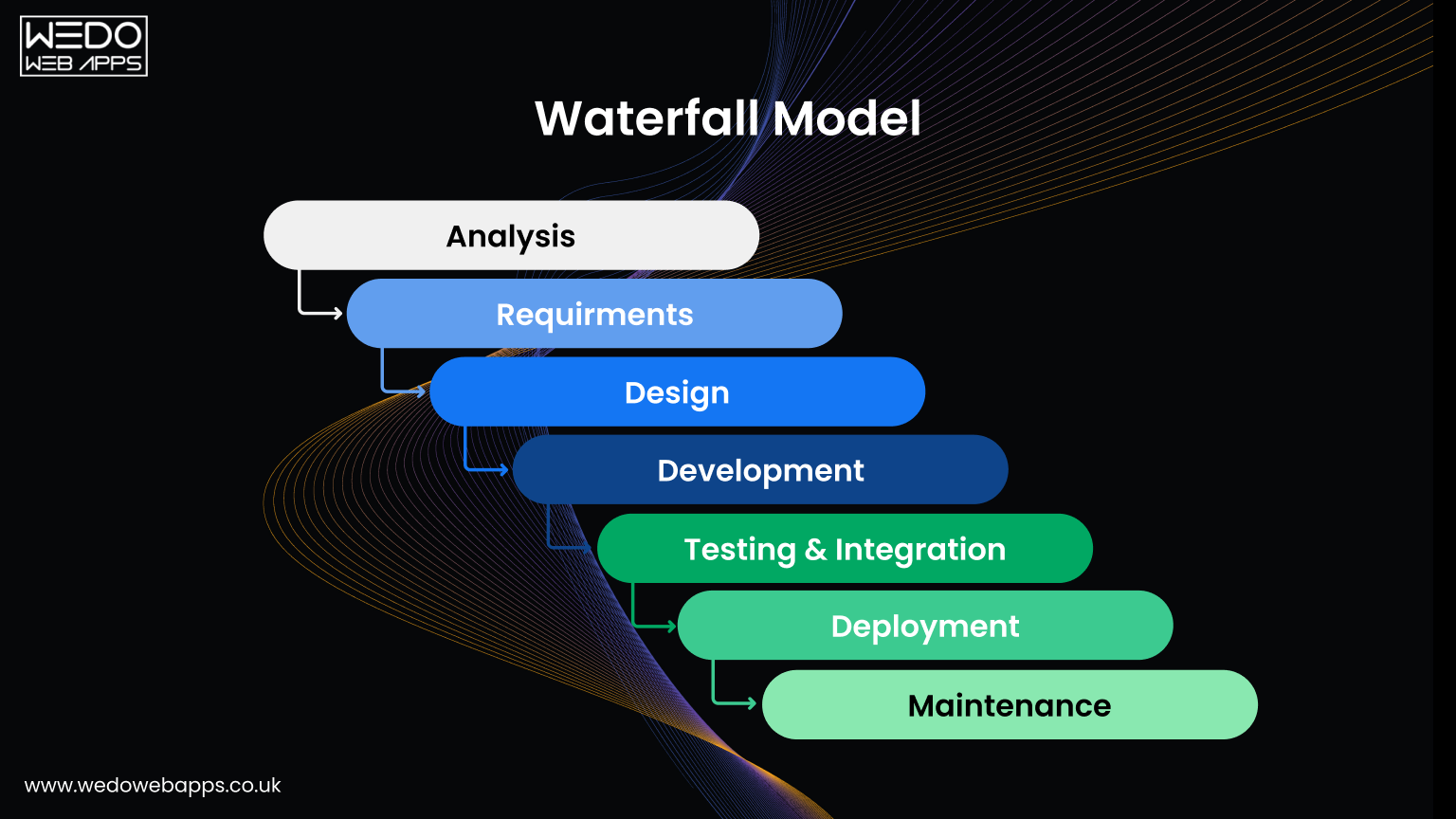
The Waterfall model follows a linear and sequential flow where each SDLC phase must be completed before moving to the next.
Key characteristics:
- Fixed requirements
- Clear documentation
- No overlap between phases
Best for:
- Small to mid-sized projects
- Projects with well-defined and stable requirements
- Regulated industries (finance, healthcare compliance systems)
Pros:
- Easy to manage and understand
- Clear milestones and documentation
Cons:
- Very limited flexibility
- Changes are expensive after development starts
3. The Iterative Model
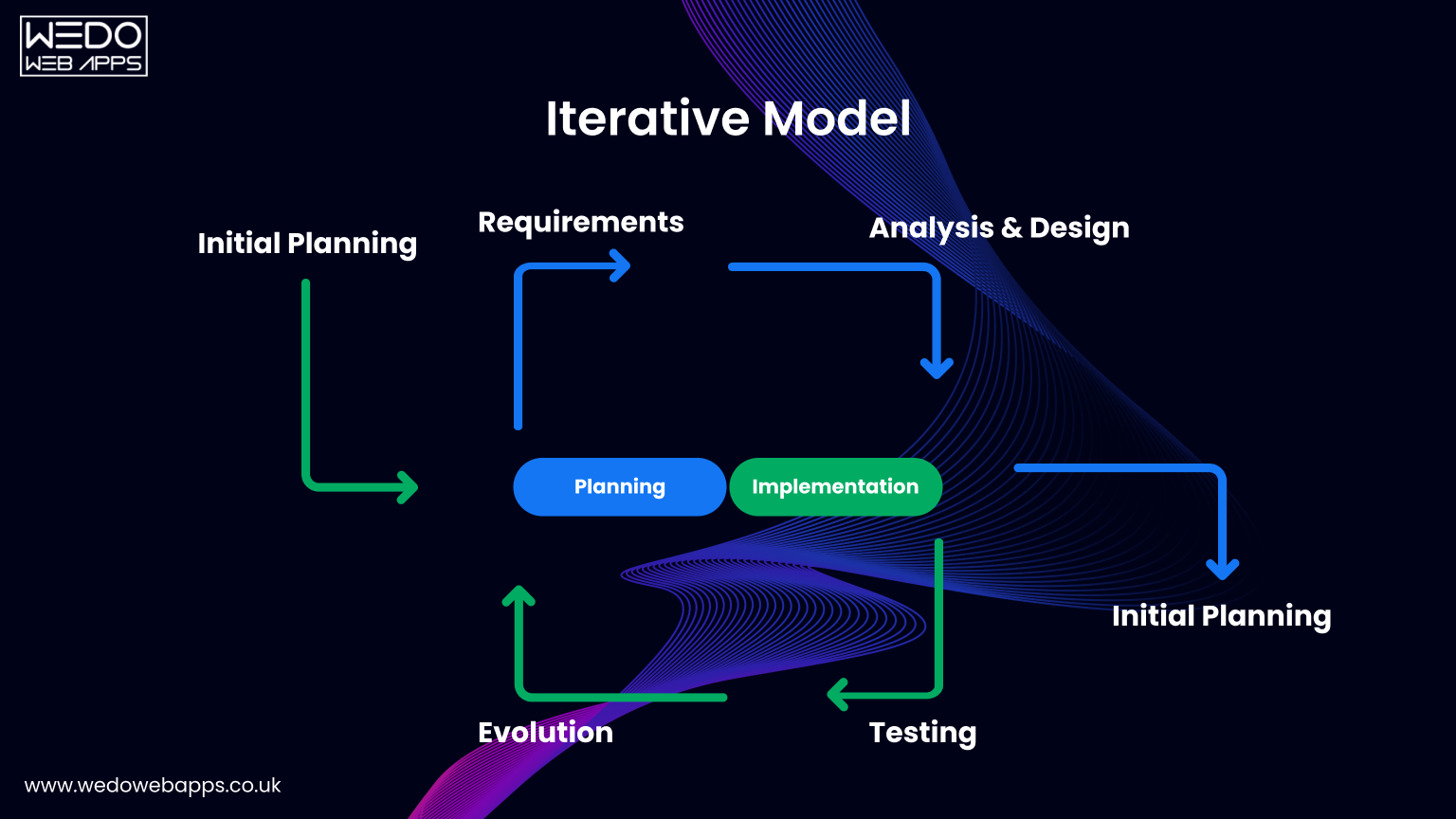 The Iterative SDLC model starts with a basic version of the software and improves it through repeated cycles until the final product is ready.
 Key characteristics:
- Repeated refinement
- Early working versions
- Continuous improvement
Best for:
- Projects with unclear or evolving requirements
- Large systems needing phased validation
Pros:
- Better risk management
- Early feedback from users
Cons:
- Resource estimation can be difficult
- Risk of scope creep
4. The Spiral Model
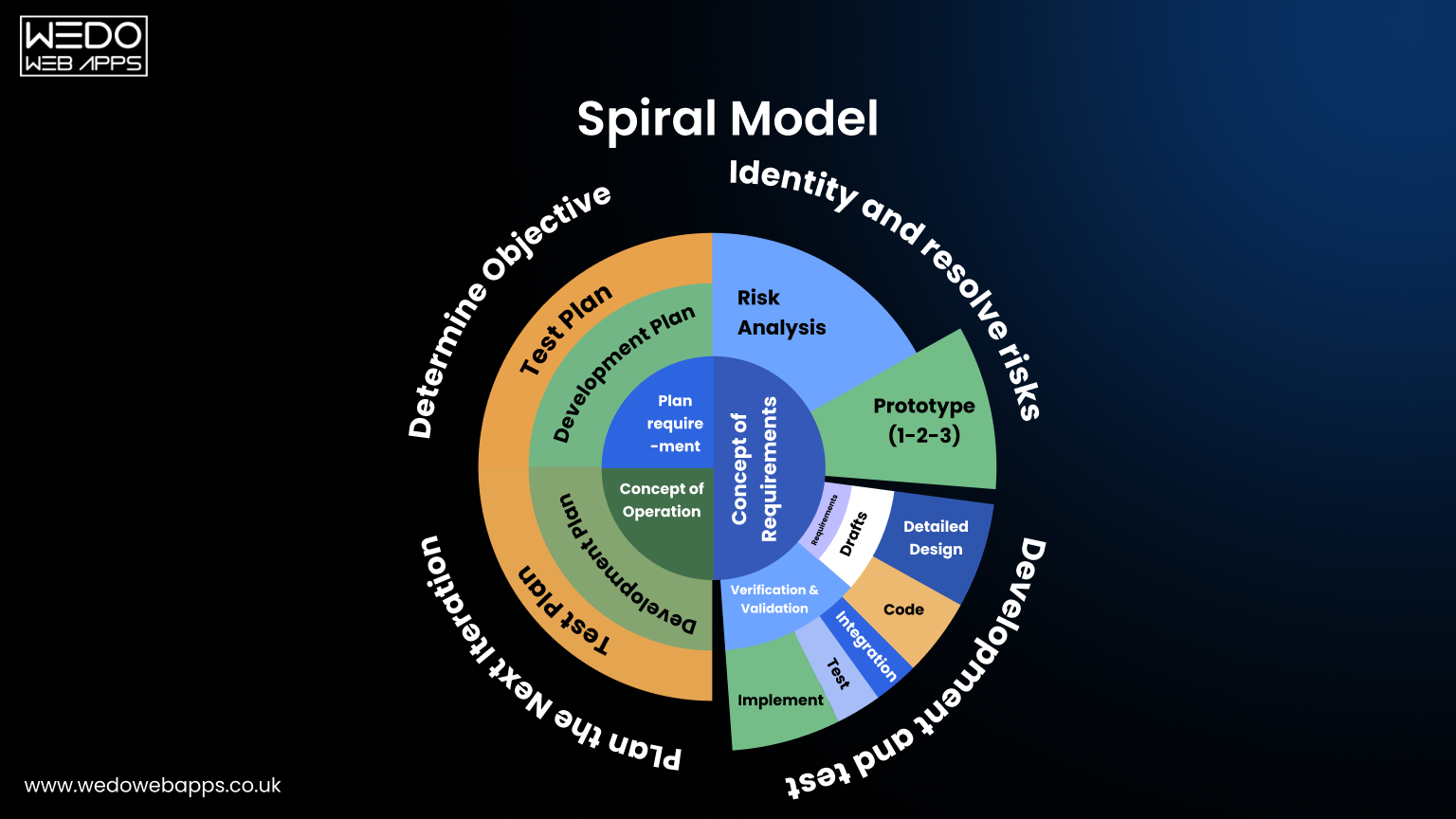 The Spiral model combines the structured nature of Waterfall with the flexibility of Iterative development, placing a strong emphasis on risk assessment at every stage.
 Key characteristics:
- Risk-driven development
- Cyclic planning and evaluation
- Heavy documentation
Best for:
- Large, complex, and high-risk projects
- Enterprise-grade software systems
Pros:
- Excellent risk management
- Suitable for complex architectures
Cons:
- Expensive and time-consuming
- Not ideal for small projects
5. The Big Bang Model Approach
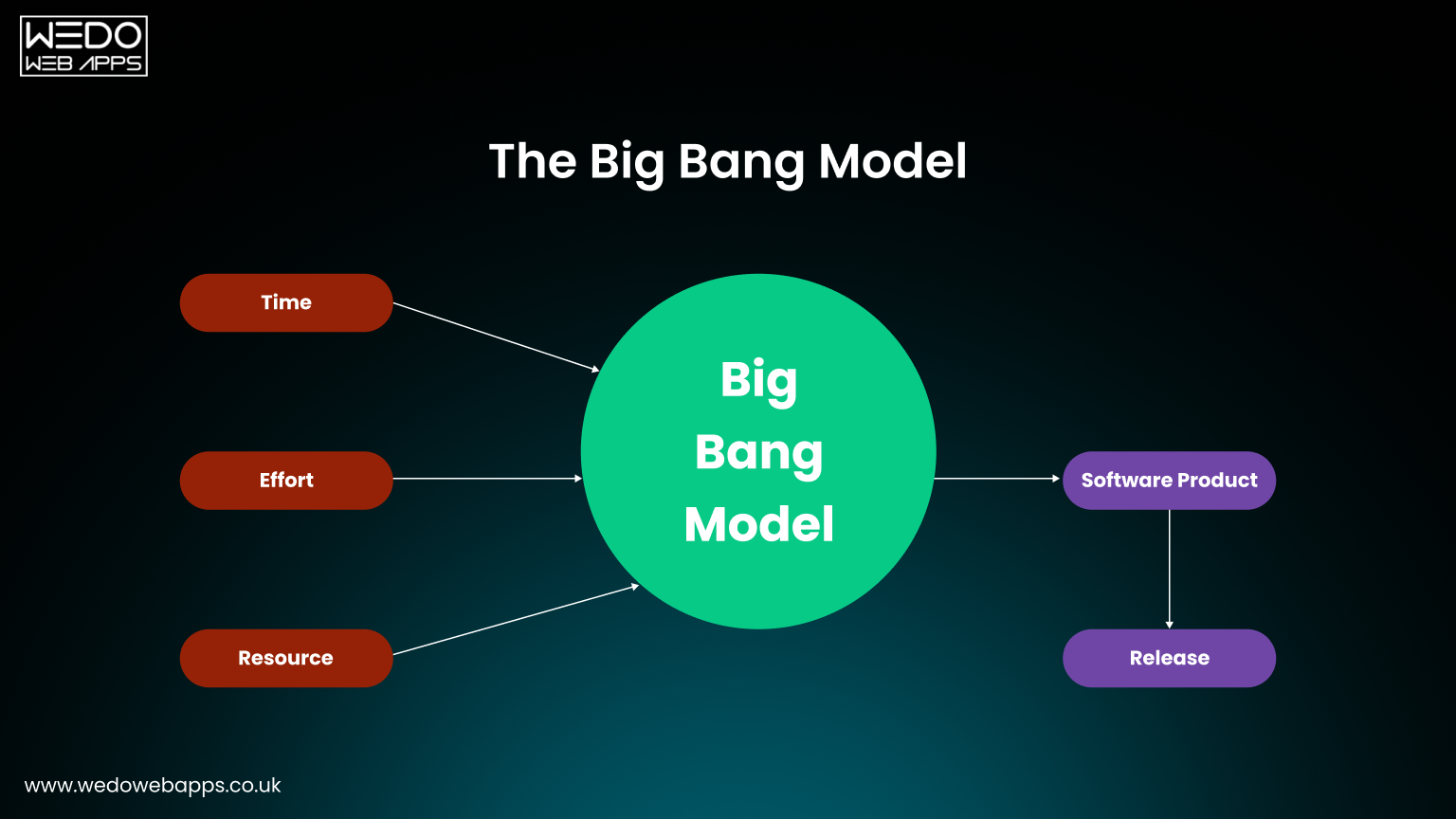 In the Big Bang model, development starts with minimal planning, and requirements are addressed as they arise.
 Key characteristics:
- Little to no documentation
- Coding-first approach
- High flexibility
Best for:
- Small experimental projects
- Academic or proof-of-concept applications
- Solo or very small teams
Pros:
- Simple and flexible
- Minimal upfront planning
Cons:
- High risk
- Unpredictable outcomes
- Not scalable
Quick Comparison of SDLC Models
| SDLC Model | Flexibility | Risk Level | Best Use Case |
| Agile | Very High | Medium | Fast-changing, customer-driven projects |
| Waterfall | Low | Low (initially) | Fixed-scope, regulated projects |
| Iterative | Medium–High | Medium | Large systems with evolving needs |
| Spiral | Medium | Very Low | Complex, high-risk enterprise projects |
| Big Bang | Very High | Very High | Small or experimental projects |
How to Choose the Right SDLC Model
Choose your software development life cycle model based on:- Project size and complexity
- Requirement stability
- Risk tolerance
- Timeline and budget constraints
- Level of customer involvement required
How Can WEDOWEBAPPS Help You with SDLC Requirements?
The software development life cycle has evolved significantly over the years, shaped by real-world challenges, failures, and continuous improvements across the IT industry. Today, businesses no longer need to rely on outdated processes or trial-and-error approaches. With proven SDLC models and modern best practices available, the focus has shifted to predictable delivery, scalability, and long-term value.
At WEDOWEBAPPS, we help businesses implement the right software development lifecycle process based on their goals, timelines, and technical complexity. Our team doesn’t just follow SDLC frameworks, we customize them to ensure efficiency, transparency, and measurable outcomes at every stage of development.
What Sets WEDOWEBAPPS Apart in SDLC Execution
- Strategic requirement analysis aligned with business objectives
- Selection of the most suitable SDLC model (Agile, Iterative, Hybrid, or Waterfall)
- Security, quality assurance, and scalability built into every SDLC phase
- Clear communication, documentation, and milestone-based delivery
As a trusted software development company, we have a proven track record of delivering robust, high-performing software solutions for startups, SMBs, and enterprises across industries.
Turn Your Idea into a Scalable Software Product
If you’re looking for a reliable technology partner who understands the software development life cycle phases inside out, WEDOWEBAPPS is here to help. Our experts work closely with you to transform your idea into a secure, scalable, and future-ready software product, using the SDLC approach that fits your business best.
Conclusion
The Software Development Life Cycle (SDLC) remains the foundation of successful software delivery in 2026. By clearly understanding the software development life cycle phases, from idea and planning to deployment and maintenance, product teams can reduce risks, control costs, and deliver software that meets real user needs.
Equally important is choosing the right software development life cycle model. Whether it’s Agile for flexibility, Waterfall for structured execution, Iterative for continuous improvement, Spiral for risk-heavy projects, or the Big Bang model for experimentation, the right approach depends on your project’s scope, complexity, and business goals.
When implemented correctly, the software development lifecycle process brings clarity, predictability, and quality to the entire software development cycle. It enables teams to adapt to changing technologies, scale efficiently, and continuously improve products in an increasingly competitive digital landscape.
Ultimately, the SDLC is not just a development framework, it’s a strategic advantage that helps teams build reliable, scalable, and future-ready software.