Increase Website Traffic
Think of your website as a shop on a busy street. If no one walks in, having good products and services makes no sense - you won’t make sales. The same is true for online businesses; without consistent visitors, your website cannot deliver results. That is why it is important to know how to increase website traffic for every online business today.
If you are already running or planning to run a startup, an online store, or a service-based company, learning how to drive traffic directly to your website will significantly impact your growth. More genuine traffic means more leads, more customers, and more revenue opportunities.
However, with numerous strategies available, determining how to drive traffic to your website can be overwhelming. Should you focus on SEO, social media, or paid ads? The answer lies in combining the right approaches that not only boost website traffic but also bring the right people, people who are most likely to convert into paying customers.
In this blog, we will break down proven and practical ways to increase web traffic in 2025. From SEO to content marketing and social media strategies, you will discover exactly how to increase traffic to your website and turn those visitors into real business growth. Let’s dive in with the insights from the best digital marketing services company.
How to Increase Traffic to Your Website With Content
If you want to increase website traffic, content is the most powerful tool you have on your plate. Quality content not only helps your website rank higher on search engines but also builds trust with your audience. Think of content as the magnet that attracts visitors and keeps them coming back for more. Here are some proven ways to drive traffic to your website with content:
1. Start a Business Blog
Blog writing gives your brand a voice and creates opportunities for your website to rank for different search queries. By publishing valuable posts consistently, you can boost your website traffic while establishing your authority.
- Focus on solving customer problems.
- Target long-tail keywords like “how to increase traffic to your website” to capture specific search intent.
- Write regularly to keep your audience engaged and search engines happy.
2. Focus on Evergreen Topics
Evergreen content continues to bring in visitors long after it is published. For example, “how to get traffic to your website” is a topic that stays relevant year after year.
- Examples: “Beginner’s Guide to SEO”, “Best Marketing Tools for Small Businesses.”
- Regularly update evergreen posts to maintain your website rankings and relevance.
3. Write Irrestible Headlines
Your blog’s headline is the first thing that readers notice. A strong headline can make the difference between a click and being ignored.
- Use numbers (e.g., 10 Proven Ways to Increase Website Traffic).
- Add power words like proven, ultimate, and effective.
- Keep it clear and promise value.
4. Use Visuals to Make Content Engaging
Visual content like infographics, images, and charts grabs attention and makes complex information easy to understand.
- Infographics are highly shareable and can boost website traffic from social media.
- Use free tools like Canva to create simple but effective visuals.
- Videos, GIFs, and graphics can increase time spent on your site, which signals quality to search engines.
5. Incorporate Video Content
Video marketing is one of the fastest ways to increase website traffic. From product demos to tutorials, videos attract viewers who prefer visual learning.
- Host videos on YouTube and embed them in your blogs.
- Use short-term videos (Reels, TikToks, Shorts) to capture attention.
- Add transcripts for SEO benefits.
6. Build a Resource Center
A resource center acts like a library for your visitors. Think templates, eBooks, Whitepapers, and case studies.
- Create downloadable assets that encourage visitors to share their email addresses.
- This not only drives traffic but also builds a lead database for future campaigns.
Content is the foundation of any digital strategy. When done right, it works around the clock to attract visitors, answer their questions, and guide them towards becoming customers.
Case Study: How a Small Brand Boosted TrafficA handmade jewelry brand wanted more website visitors. They started with SEO, optimising product pages for keywords like eco-friendly jewelry. Then, they used content marketing by publishing blogs such as How to Style Handmade Jewelry. Finally, they used social media, posting short behind-the-scenes reels and collaborating with micro influencers.
The result? Within six months, their website traffic grew by 300%, and sales followed. This shows how combining SEO, content, and social media creates a powerful growth engine.

How to Increase Traffic With SEO
When it comes to growing your online presence, SEO is not just a strategy; it is the foundation of long-term success. While ads stop bringing results the moment you pause them, SEO keeps attracting visitors 24/7 once your website is well-optimised. The goal is simple: increase website traffic by ranking higher on Google so your audience finds you instead of your competitors.
Why SEO Matters for Traffic Growth
- 90% of online experiences begin with a search engine.
- The top 3 search results get more than 50% of all clicks.
- Businesses that blog consistently generate 67% more leads than those that don’t.
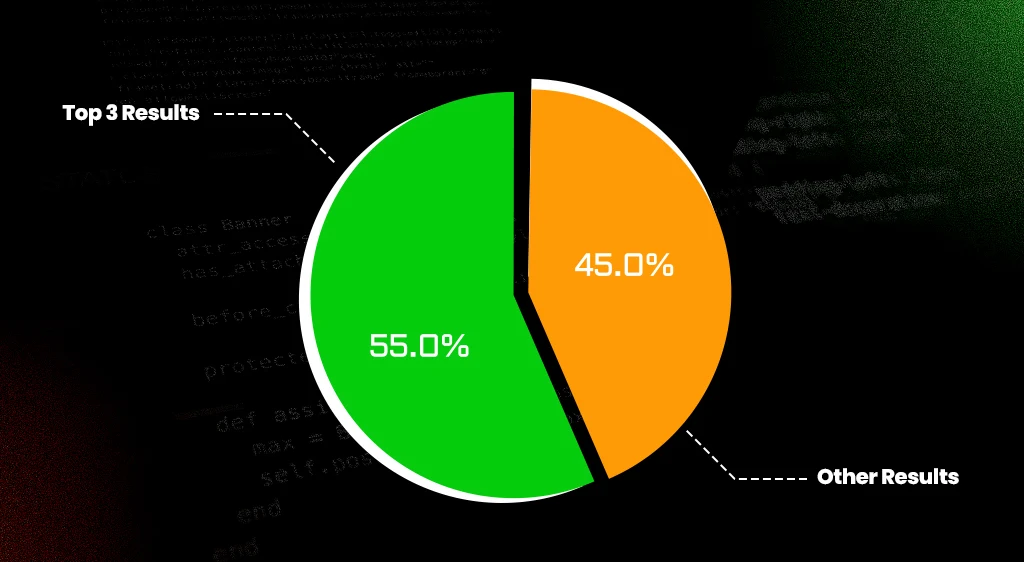
Clearly, if your website does not appear on the first page of search results, you are leaving traffic and revenue on the table.
Key SEO Strategies to Boost Traffic
1. Keyword Research and SEO Optimisation
Identify the exact phrases your potential customers are typing into Google. For example, if you run a digital marketing agency, people might search for:
- “Affordable SEO services for small businesses”
- “Monthly SEO packages”
- “How much does SEO cost?”
Optimising your web pages and blogs with these terms helps you appear when it matters most.
2. Content That Solves Real Problems
Search engines love high-quality, informative content that answers user queries. Blogs, how-to guides, industry insights, and FAQs help you build authority and attract organic traffic.
Example: A fitness brand publishing detailed workout and nutrition guides can easily rank for “best home workout plans” or “healthy meal prep ideas”.
3. On-Page SEO Fixes
Improving the technical aspects of your website boosts rankings and user experience:
- Fast-loading pages (Google recommends under 3 seconds)
- Mobile-friendly design
- Clean URLs like yourwebsite.com/seo-pricing instead of yourwebsite.com/page?id=1234.
- Adding internal links between related blogs to keep users engaged.
4. Backlink Building
Think of backlinks as votes of trust from other websites. The more credible sites that link to you, the more search engines trust your content. Strategies include:
- Writing guest blogs.
- Collaborating with influencers.
- Getting featured in press releases.
5. Local SEO for Businesses
If you serve customers in a specific area, optimising for local searches can increase your visibility.
- Claim your Google Business Profile
- Collect customer reviews
- Use location-based keywords like “SEO company in California”
Real-World Example
A mid-sized eCommerce brand selling handmade jewelry struggled with traffic. Instead of relying solely on paid ads, they invested in SEO:
- Conducted keyword research to target “affordable handmade rings” and “custom jewelry online”.
- Published blog posts around “How to Choose the Right Engagement Ring” and “2025 Jewelry Trends.”
- Optimised product descriptions and added internal links.
- Partnered with fashion bloggers for backlinks.
Within 8 months, their organic traffic grew by 180%, and sales from Google searches doubled. The best part? Unlike ads, this traffic didn’t stop once the campaign ended; it kept compounding month after month.
SEO is a marathon, not a sprint. But if done strategically, it is the most reliable way to increase website traffic, attract high-quality leads, and grow your business sustainably.
How to Drive Traffic With Social Media
Social media marketing is a powerful tool to increase website traffic and reach new audiences. With billions of users worldwide, the right strategy can help you boost website traffic consistently. Here’s how:
1. Create Shareable Content
- Publish high-quality, valuable, and engaging content that encourages sharing.
- Use infographics, short videos, and carousels to attract attention.
- Add strong CTAs like “Read More” or “Learn Here”.
- Encourage user-generated content to expand reach.
2. Leverage Paid Ads
- Run targeted ad campaigns on platforms like Facebook, Instagram, and LinkedIn.
- Use demographics and interest targeting to reach the right audience.
- Retarget website visitors with custom ads to bring them back.
- Test different ad creatives and copy to improve results.
3. Collaborate With Influencers
- Partner with niche influencers to promote your content or brand.
- Use micro-influencers for affordable, highly engaged audiences.
- Encourage influencers to share links to your website in their posts.
- Offer collaborations, giveaways, or exclusive discounts to boost visibility.
4. Be Consistent With Posting
- Maintain a posting calendar for regular updates.
- Post at peak engagement times for each platform.
- Use tools like Buffer or Hootsuite to schedule content.
- Mix content formats: blogs, reels, polls, stories, and live sessions.
5. Engage With Your Audience
- Respond quickly to comments and direct messages.
- Use polls, Q&A sessions, and contests to keep followers active.
- Join relevant groups or communities to expand reach.
- Show authenticity by engaging in conversations beyond your posts.
With the right approach, social media becomes more than just a branding tool; it becomes a direct channel to increase web traffic and boost conversions.
How to Get Website Traffic Through Listings
Business listings are often overlooked, still they are one of the most effective ways to boost website traffic and improve visibility. Think of them as digital directories where your potential customers are already searching for solutions.
Here is how businesses can utilise listings strategically:
1. Claim and Optimise Google Business Profile
- A well-optimised Google Business Profile can put your company directly in front of local searchers.
- Add accurate business info, images, services, and posts. Businesses that complete their profiles are 2.7x more likely to be considered reputable by customers.
2. Use Niche and Industry-Specific Directories
- General directories are useful, but industry-specific platforms (like Clutch for tech companies, Zomato for restaurants, TripAdvisor for travel services) drive more qualified traffic.
- Being present on the right listing sites ensures your business appears where ready-to-buy customers are searching.
3. Utilise Local Listings Beyond Google
- Don’t stop at Google; get listed on Bing Places, Yelp, and Apple Maps.
- Businesses that show up consistently across multiple platforms earn higher trust scores in local SEO.
4. Encourage Customer Reviews
- Reviews act as social proof and boost rankings within listings.
- A Moz study shows that review signals account for 15% of local SEO ranking factors.
5. Track Referral Traffic from Listings
- Use UTM tags or Google Analytics to see which directories bring the most visitors.
- Businesses can then double down on the listings, delivering real results, cutting wasted effort.
Business Takeaway: Listings are not just about being visible; they are about being visible in the right place at the right time. Done right, they not only increase web traffic but also attract high-intent leads who are actively searching for your services.
More Ways to Increase Website Traffic
While SEO and social media are the cornerstones of driving online visibility, businesses that want to consistently boost website traffic need to diversify their strategy. Here are additional, often overlooked methods that can create long-term value:
1. Host Webinars
- Webinars establish authority in your niche while attracting highly targeted audiences.
- Businesses can promote webinars through email, LinkedIn, and partnerships to bring in fresh traffic.
- Example: A SaaS company hosting a “How to automate marketing” webinar not only drives sign-ups but also nurtures future leads.
2. Start and Nurture an Online Community
- Communities, whether on your website, Slack, or LinkedIn, encourage ongoing engagement.
- By fostering discussions, answering queries, and providing resources, you build loyalty that naturally increases web traffic.
3. Participate in External Forums and Groups
- Platforms like Quora, Reddit, and niche-specific forums are traffic goldmines when used strategically.
- Instead of hard-selling, provide insightful answers and subtly link back to your website for deeper information.
4. Attend Conference and Speak
- Speaking at conferences, both online and virtual, positions you as a thought leader.
- Sharing your talk on a presentation afterward can generate backlinks and drive new audiences to your site.
5. Submit Content to Aggregator Sites
- Submitting to platforms like Medium, GrowthHackers, or Flipboard helps tap into existing traffic streams.
- Repurposing your blog posts here ensures more visibility and inbound referral traffic.
6. Launch an Email Newsletter
- A newsletter keeps you connected with your audience beyond the website.
- Regular value-packed content encourages readers to return to your site, boosting recurring traffic.
7. Pitch to Other Newsletters
- Partnering with established newsletters in your industry is a wise shortcut to reaching new audiences.
- For example, a guest contribution in a popular marketing newsletter can funnel thousands of readers to your site.
8. Develop a Free Tool
- Free tools like calculators, quizzes, or templates act as lead magnets and SEO assets.
- Example: an SEO agency offering a free “Website Audit Tool” can attract thousands of monthly visits.
9. Run Paid Advertising
- While organic strategies take time, PPC and social ads give instant traffic boosts.
- A balanced mix of paid and organic helps ensure both short-term and long-term website growth.
The biggest advantage of these approaches is that they don’t just answer “how to increase website traffic” but also recall authority, brand recall, and lead generation opportunities for your business.
Tools to Help Drive Traffic
Having the right strategy is important, but the right tools make execution and tracking far easier. These tools don’t just show numbers; they give you the insights needed to understand how to increase traffic to your website and what is holding you back.
1. Google Analytics
- What it Does: Tracks website visitors, behavior, source of traffic, and conversions.
- Why it Matters: Helps you see which pages drive the most visitors and which channels (SEO, social, paid ads) are most effective.
- Business Use Cases: A company can analyse whether blog posts or paid campaigns bring higher-quality traffic and invest resources accordingly.
2. Google Search Console
- What it Does: Shows how your site appears in Google Search, including keywords, impressions, and clicks.
- Why it Matters: Identifies opportunities to improve rankings and troubleshoot indexing or mobile usability issues.
- Business Use Case: If you notice your ranking on page 2 for a high-value keyword, you can optimise that page to push it to page 1, bringing in more traffic.
3. SEO Tools (SEMRush, Ahrefs, Moz)
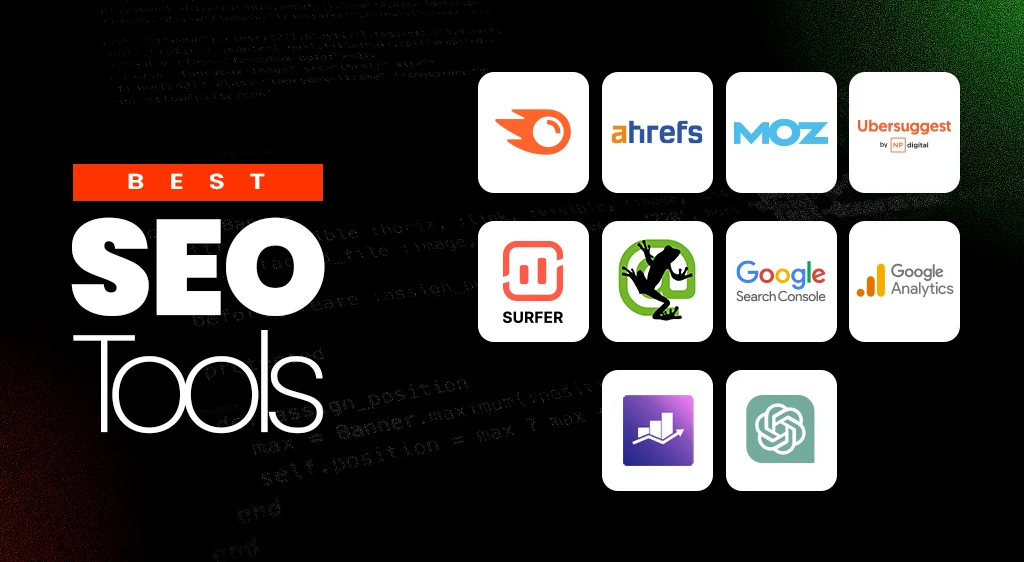
- What They Do: Provide keyword research, backlink analysis, competitor tracking, and SEO audits.
- Why They Matter: They reveal how competitors increase website traffic and what gaps exist in your own strategy.
- Business Use Case: A business can discover competitor keywords and create content targeting the same terms to capture their audience.
4. Website Graders (HubSpot Website Grader, GTmetrix, PageSpeed Insights)
- What They Do: Audit your website’s performance, SEO health, and user experience.
- Why They Matter: A slow or poorly optimised site loses visitors before they even convert.
- Business Use Case: Running a quick site audit can highlight performance fixes (like faster loading times or mobile optimisation) that directly impact traffic and conversions.
Business Takeaway: Tools don’t replace strategy, but they provide data-driven insights that help you refine tactics, measure ROI, and continuously improve how you boost website traffic over time.

Common Mistakes to Avoid While Increasing Website Traffic
Even with the right strategies, many businesses struggle because they make critical mistakes that either block growth or waste resources. Here’s what you should avoid:
1. Chasing Traffic Without Targeting
- Mistake: Focus on getting more visitors without verifying their relevance.
- Consequence: High bounce rates and low conversions because traffic doesn’t match your audience.
- Fix: Prioritise high-quality traffic by targeting keywords and channels that align with your ideal customers.
2. Ignoring Website Performance
- Mistake: Driving users to slow, unoptimised, or non-mobile-friendly websites.
- Consequence: Visitors leave within seconds; Google also penalises poor site speed and UX.
- Fix: Regularly run site speed audits and ensure mobile-first design.
3. Neglecting SEO Basics
- Mistake: Publishing content without keyword optimisation, meta descriptions, or internal linking.
- Consequence: Pages do not rank well, limiting long-term organic traffic.
- Fix: Use tools like Google Search Console or SEMRush to refine SEO fundamentals.
4. Over-Reliance on Paid Ads
- Mistake: Spending only on ads without investing in organic and owned channels.
- Consequence: Traffic drops the moment ad spend stops, creating dependency.
- Fix: Balance PPC with SEO, content marketing, and email for sustainable growth.
5. Publishing Content Without a Strategy
- Mistake: Writing blogs or posting on social media without clear goals.
- Consequence: Random traffic that does not translate into leads or sales.
- Fix: Align content topics with customer pain points and business objectives.
6. Not Tracking and Analysing Results
- Mistake: Running campaigns without measuring traffic sources, conversions, and ROI.
- Consequence: Wasted budget and missed opportunities for optimisation.
- Fix: Set up a Google Analytics dashboard and review performance regularly.
7. Ignoring Email Marketing
- Mistake: Relying only on SEO and ads while neglecting e-mail lists.
- Consequence: Losing a cost-effective, high-ROI channel for repeat traffic.
- Fix: Build and segment your email newsletter to nurture organic traffic.
8. Forgetting About Conversion Optimisation
- Mistake: Only chasing more visitors without improving the landing page or CTA performance.
- Consequence: Even high traffic won’t convert into leads or revenue.
- Fix: Run A/B Tests and optimise landing pages for conversions.
Business Takeaway: Traffic alone is not success; relevant, engaged, and converting traffic is. Avoiding these mistakes ensures your efforts actually grow revenue, not just vanity metrics.
Conclusion - Turning Traffic Into Business Growth
Learning how to increase website traffic is only half the battle won - the real goal is turning that traffic into measurable growth. By combining SEO, social media, listings, and email marketing with the right tools, you are not just driving clicks, you are attracting potential customers who are ready to engage with your brand.
The key is consistency: keep publishing value-driven content, optimising your site, and tracking results. Avoid the common mistakes we highlighted, and your efforts will lead to sustainable, long-term traffic growth.
If you are wondering how to drive traffic to your website in a way that boosts leads and revenue, now is the time to act. Start small, experiment with different strategies, and double down on what works best for your business.
With the right approach, you won’t just increase web traffic, you will build a powerful online presence that fuels your brand’s success. Partner with a digital marketing agency to attract your customers at the right place at the right time.