Where to Learn Mobile App Development?
Learning mobile app development often starts with scattered mobile app development tutorials and short videos. That approach can create gaps in understanding. And books solve this problem by offering structured knowledge, clear explanations, and guided examples that build skills step-by-step. For anyone wondering where to learn mobile app development in a focused way, books remain a reliable starting point. They explain core concepts, programming logic, and real use cases without rushing the learner. This makes them useful for beginners as well as professionals who want to refine their skills. This guide highlights books on mobile application development that support practical learning. It also connects reading with projects on mobile application development, helping learners apply theory to real scenarios. Whether you are exploring a new career path or strengthening existing skills, this resource helps you choose learning materials with purpose.
Why Books Still Matter for Learning Mobile App Development
Books continue to play an important role in learning mobile app development, especially fpr beginner and self-learners. They focus on fundamentals before moving towards the advanced topic. This approach helps learners build confidence without feeling rushed or confused. Unlike scattered online tutorials, books on mobile application development follow a structured learning path. Topics are organised in a logical sequence, which makes it easier to understand how concepts connect with each other. This structure is helpful for learners who want clarity instead of fragmented knowledge. Another advantage of learning from books is depth. Authors usually explain both the concept and the reasoning behind it. This helps readers understand how things work, not just how to apply them. Over time, this leads to better problem-solving skills.
How Books Support Strong Learning Foundations
Books provide consistent learning benefits that many short-form resources cannot offer. They help learners in the following ways:
- Clear explanations of core programming concepts such as logic, syntax, and app architecture.
- Step-by-step walkthroughs that guide readers through real development scenarios.
- Examples that reflect practical mobile app use cases instead of isolated code snippets.
- Exercises that encourage applying concepts through projects on mobile application development.
For those asking where to learn mobile app development, books offer a distraction-free learning environment. Readers can move at their own pace and revisit topics whenever needed. This is useful for students, working professionals, and anyone learning independently. When books are combined with hands-on practice, learning becomes more effective. The theory gained from books supports better execution during real projects. This balance makes mobile app development easier to understand, even for those who wonder if is mobile app development hard.
Best Books on Mobile Application Development
Choosing the right books is often the first step when deciding where to learn mobile app development. Well-written books help you understand core concepts, follow a logical learning path, and practise with real examples before moving to advanced projects. The books listed below are selected based on practical learning value, industry relevance, and suitability for beginners as well as growing developers. They also help answer common concerns, such as is mobile app development hard and how to build confidence through structured learning.
Android App Development Books
Android remains a popular starting point for many learners due to its open ecosystem and wide device reach. These books focus on Android fundamentals, tools, and hands-on development.
1. Android App Development All in One for Dummies
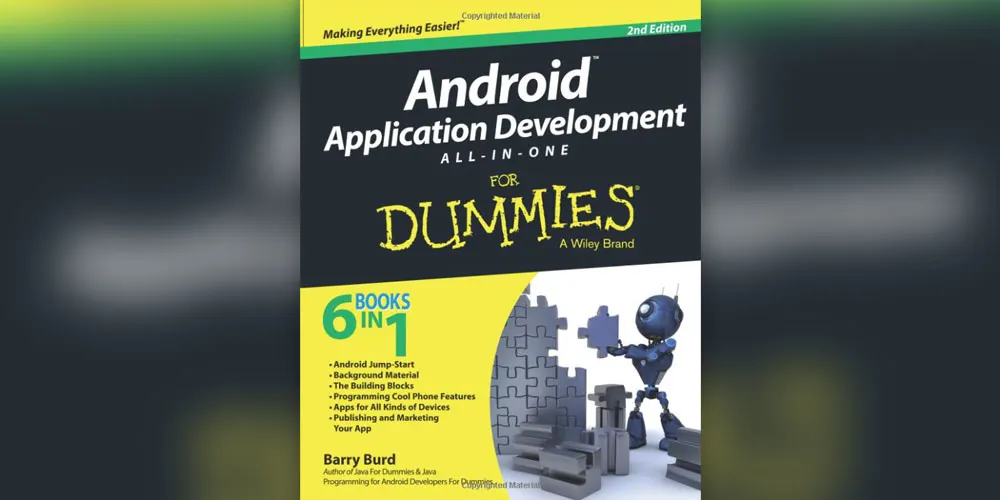
This book is ideal for beginners who want a complete overview in one place. It combines concepts from multiple Android application development areas and helps learners understand the full app lifecycle. What you will learn:
- Core Android concepts and components.
- Using the Android SDK effectively.
- App publishing and basic promotion.
Best suited for:
- Beginners with little or no Android experience.
- Learners who prefer step-by-step guidance.
2. Programming Android
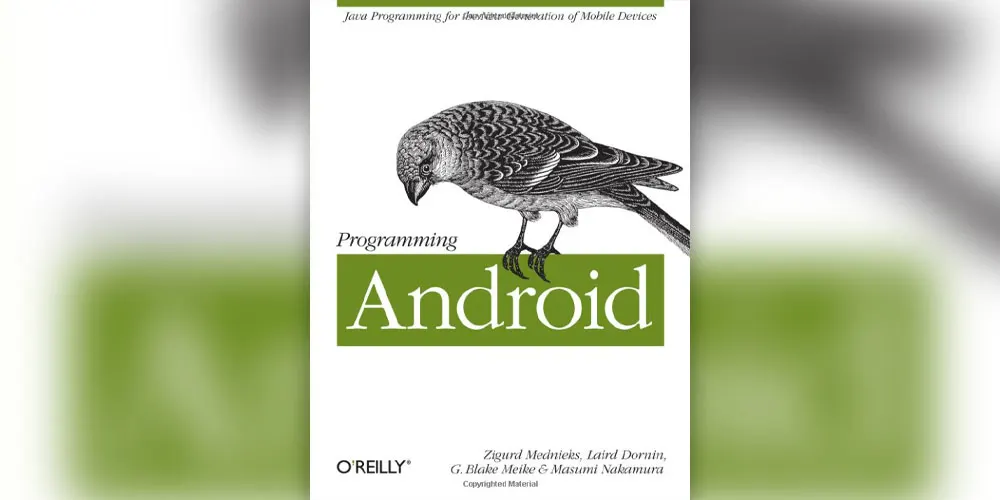
This book works well for readers who already understand basic programming. It focuses on deeper Android concepts and practical implementation using the SDK. What you will learn:
- UI development and data handling.
- Sensors, gestures, and device features.
- Building responsive Android applications.
- Developers with basic Java knowledge.
- Learners aiming for intermediate Android skills.
3. Android Programming for Beginners
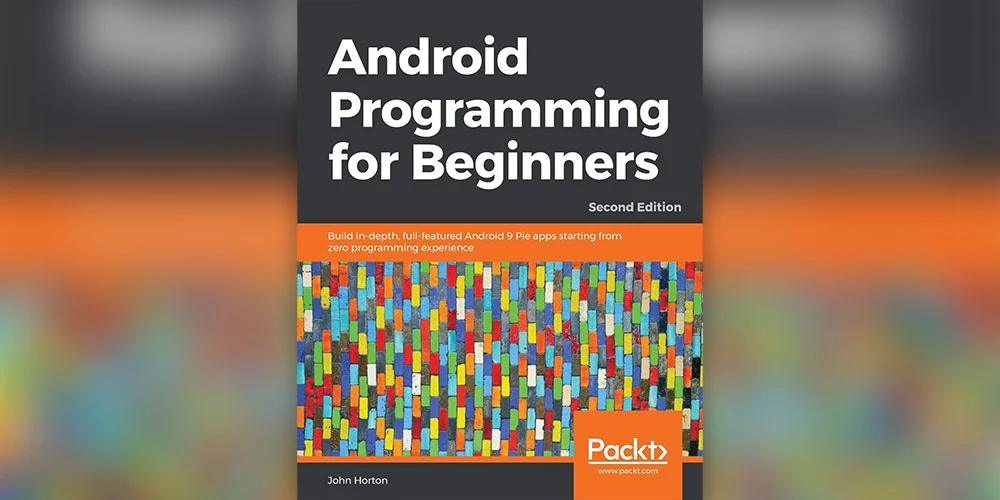
This book follows a project-focused approach, making it useful for learners who want to practise while studying. It introduces real-world apps and mini projects. What you will learn:
- Android environment setup.
- Building multiple small applications.
- Applying concepts through practice.
- Beginners working on projects in mobile application development.
- Learners who prefer learning by doing.
4. Android Studio Development Essentials

Android Studio is the official IDE for Android development. This book focuses on using the tool efficiently to build, test, and debug apps. What you will learn:
- Working with Android Studio and SDK.
- Database handling and app testing.
- Debugging and deployment basics.
- Learners preparing for professional Android roles.
- Developers aiming to strengthen tooling knowledge.
Programming and Design Foundation Books
Strong fundamentals make mobile development easier and more structured. These books focus on language basics and design thinking that support long-term growth.5. Head First Java

Java knowledge still supports many Android concepts. This book teaches Java in a simple, visual manner that keeps learners engaged. What you will learn:
- Core Java concepts.
- Logical thinking and problem-solving.
- Object-oriented programming basics.
- Beginners learning programming fundamentals.
- Learners preparing for Android development.
6. Head First Design Patterns
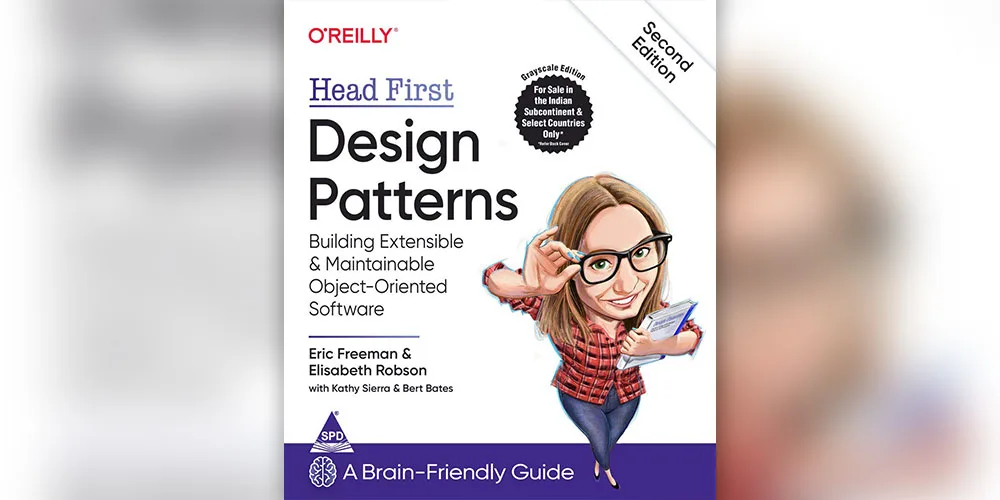
This book explains how good design improves scalability and maintenance. It helps developers avoid common structural mistakes. What you will learn:
- Common design patterns.
- Writing maintainable code.
- Solving recurring design problems.
- Developers are moving toward advanced app design.
- Learners interested in clean architecture.
7. Head First Android Development
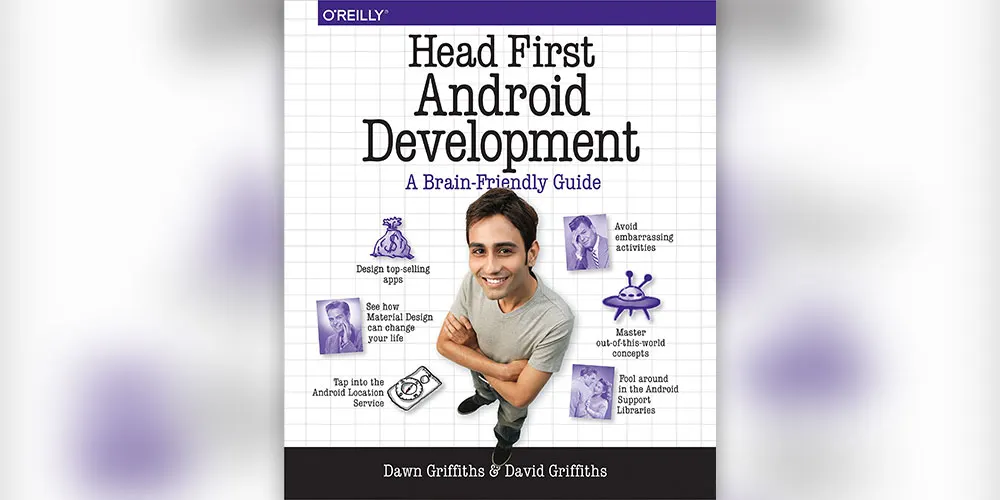
This book combines theory with hands-on exercises. It works like a mobile app development lab manual for Android learners. What you will learn:
- App structure and UI design.
- Data storage and user interaction.
- Practical Android development workflows.
- Beginners and early-stage developers.
- Learners seeking guided practice.
Kotlin Focused Mobile App Development Books
Kotlin is now the preferred language for Android development. Learning it improves productivity and code quality.
8. Kotlin in Action

This book explains Kotlin clearly and shows how it works alongside Java. It focuses on real usage rather than theory alone. What you will learn:
- Kotlin syntax and concepts.
- Writing clean and efficient code.
- Interoperability with Java.
- Android developers are switching to Kotlin.
- Learners aiming for modern Android roles.
Cross-Platform Mobile App Development Books
Cross-platform development allows one codebase to serve multiple platforms. This approach is useful for beginners and startups.
9. Flutter for Beginners
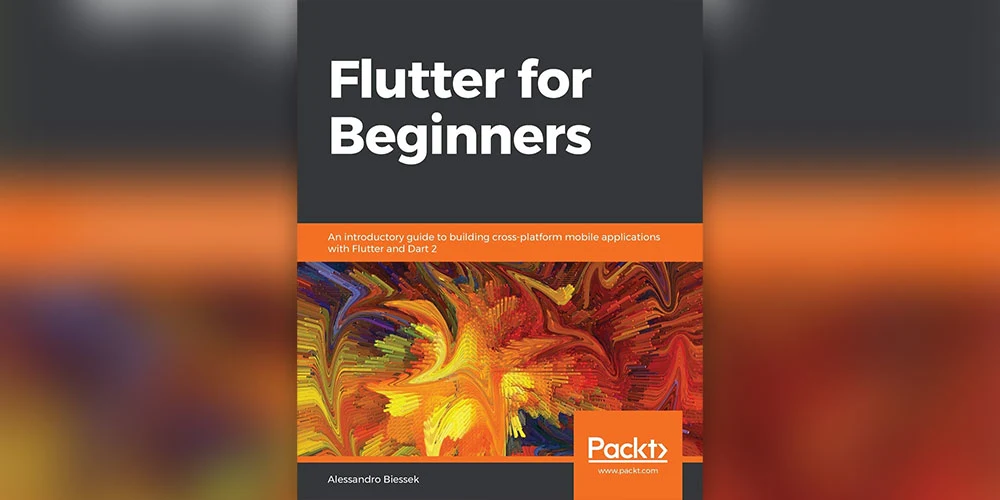
Flutter helps developers build apps for Android and iOS using a single framework. This book explains Flutter concepts in a simple manner. What you will learn:
- Widgets and UI components.
- Animations and layouts.
- Connecting apps with services like Firebase.
- Beginners exploring cross-platform development.
- Learners aiming to save development time.
Security and Advanced Reference Books
As apps handle more data, security knowledge becomes essential for professional growth.
10. Android Security Cookbook

This book focuses on common security risks and how to address them during development and testing. What you will learn:
- Identifying security vulnerabilities.
- Applying secure coding practices.
- Preparing apps for store review.
- Developers working on production apps.
- Learners aiming for enterprise projects.
How to Use These Books Effectively
Books work best when combined with practice. Use them alongside:
- Small practice apps.
- Guided exercises.
- Real project implementation.
How to Use Books with Projects on Mobile Application Development
Reading books on mobile application development is only the first step. To truly understand how to learn mobile app development, you must pair theory with practice. Working on real projects helps reinforce concepts, improve coding confidence, and prepare you for professional development challenges. By combining books with hands-on projects on mobile application development, beginners and experienced learners alike can see how concepts translate into functional apps. Projects also help answer questions like “is mobile app development hard” by breaking complex tasks into manageable steps.Beginner Level Project Ideas
For newcomers, simple projects make learning approachable and practical. Focus on apps that cover basic UI and logic. Examples include:- Calculator App: Learn basic arithmetic operations and UI layouts.
- Note-Taking App: Understand data storage and CRUD operations.
- To-Do List App: Practice task management and simple local storage.
Intermediate Project Ideas
Once you understand the basics, try projects that incorporate external data and authentication. Examples include:- Weather App: Fetch data from an API and display dynamic content.
- Login & Signup App: Implement user authentication with email or social logins.
- Expense Tracker: Integrate local storage with basic reporting functionality.
Advanced Project Ideas
Advanced projects teach performance optimization, scalability, and integration with multiple services. Examples include:- eCommerce App: Handle multiple screens, payment integration, and user sessions.
- Social Media App: Manage real-time updates, notifications, and media uploads.
- Travel Booking App: Integrate APIs for booking, maps, and user preferences.
Mobile App Development Lab Manual Concepts for Hands-On Practice
Books on mobile application development are not just for reading; they can act as a lab manual for hands-on learning. Treat each chapter as a practical guide where concepts are applied through exercises, mini-projects, and testing tasks. This approach transforms theory into actionable skills, making it easier to understand how to learn mobile app development effectively. By following a lab manual approach, learners can practice coding step by step, simulate real-world scenarios, and develop confidence before tackling larger projects on mobile application development. It’s an ideal way to answer the common question: “Is mobile app development hard?” because structured practice makes complex concepts more approachable.How to Use Books as a Lab Manual
Start treating your learning books like interactive guides with practical exercises:- Step-Based Exercises: Implement code examples from the book line by line to understand logic and syntax.
- Testing Tasks: Test app features, debug errors, and refine functionality as you progress.
- Mini Projects: Convert chapters into small apps to reinforce concepts in a tangible way.
- Integration Tasks: Combine multiple features, like APIs or databases, to simulate real applications.
- Performance Checks: Measure app responsiveness, optimize UI, and improve user experience.
Benefits of the Lab Manual Approach
- Converts reading into active learning, not just passive theory.
- Helps learners easily manage the practical problems while understanding projects on mobile application development.
- Bridges the gap between beginner concepts and professional app development skills.
- Encourages structured experimentation, which prepares learners for real-world coding challenges.
Where to Learn Mobile App Development Beyond Books
While books on mobile application development provide strong fundamentals, combining them with other learning methods accelerates skill-building and real-world understanding. For aspiring developers, applying concepts through practical exercises, interactive platforms, and community engagement is key to mastering mobile app development efficiently.Online Learning Platforms
Structured courses on platforms like Udemy, Coursera, and edX offer guided paths for Android, iOS, Flutter, and React Native development. These courses provide:- Step-by-step lessons from basics to advanced topics.
- Interactive coding exercises to reinforce concepts.
- Certificates that validate your learning for career growth.
Practice Through Open Source Projects
Working on real codebases enhances understanding and prepares you for professional challenges. You can:- Contribute to GitHub projects to experience collaboration and version control.
- Study code from existing apps to understand best practices.
- Implement mini-projects inspired by books to strengthen hands-on skills.
Developer Communities and Forums
Peer learning plays a crucial role in solving practical problems and staying updated. Engaging with communities:- Provides quick solutions to coding or debugging challenges.
- Helps you learn industry trends and emerging technologies.
- Encourages networking and mentorship opportunities with experienced developers.
Is Mobile App Development Hard for Beginners
Mobile app development can feel challenging at the start, especially for beginners with no programming background. The learning curve depends on how quickly you grasp basic concepts such as logic, syntax, and problem-solving. However, with the right learning path, it becomes manageable over time. Several factors influence how difficult the journey feels:- Programming experience: Beginners with prior coding knowledge usually adapt faster.
- Platform choice: Android, iOS, or cross-platform tools. Each comes with different learning requirements.
- Learning resources: Books on mobile application development and structured courses reduce confusion.
- Practice frequency: Consistent hands-on practice improves confidence and understanding.
Are Mobile App Developers in Demand
Mobile app developers continue to see strong demand across industries as businesses prioritise mobile-first products and customer experiences. Companies rely on mobile apps to improve user engagement, streamline operations, and support digital services, making skilled developers a valuable asset. The demand is driven by several business and industry factors:- Mobile-first adoption: Brands increasingly launch products and services with mobile users as the primary focus.
- Industry-wide usage: Sectors such as healthcare, finance, retail, education, and logistics depend on mobile applications.
- Startup and enterprise growth: Both startups and established companies invest in mobile apps to stay competitive.
Common Mistakes Learners Make While Studying Mobile App Development
Many learners struggle with mobile app development because their learning lacks a structured approach. The issue is rarely the technology itself. It is usually how concepts are consumed and applied. A common mistake is relying only on reading or watching tutorials. Without writing code, concepts remain theoretical and are quickly forgotten. Learning becomes passive instead of skill-driven. Another issue is avoiding real practice. Learners often delay building apps until they feel “ready.” This slows progress and prevents confidence from developing through problem-solving. There is also a tendency to jump between too many resources. Switching books, courses, and videos breaks continuity and creates gaps in understanding. Key mistakes that affect learning progress include:- Studying concepts without building small apps alongside them.
- Skipping fundamentals such as app structure, navigation, and data handling.
- Avoiding debugging instead of learning how to resolve errors.
- Starting advanced topics before understanding the basics.
Wrap Up on Choosing the Right Learning Path
Choosing the right learning path for mobile app development is about balance. Books help you understand concepts in a structured way. Projects help you apply those concepts through real practice. Structured courses add guidance and consistency to the learning process. When these elements work together, learning becomes clearer and more effective. Books explain the “why,” projects show the “how,” and guided learning keeps progress on track. This approach reduces confusion and builds confidence over time. Consistent practice is what turns knowledge into skill. Small, regular efforts lead to steady improvement and long-term growth. With the right mix of reading, hands-on work, and structured learning, mobile app development becomes a practical and achievable skill.